IT'S A DIRTY JOB BUT NOBODY'S GOT TO DO IT: Sometime it's an occasion for a straight rant, usually after an unusually pathetic, yet successful injustice has been perpetrated. But sometimes things are so enraging and we find it so hard to fit into our new and improved engagingly rabid outfit that we resort to a simple news report.
So after receiving word last week that the Office of Information Practices (OIP) decided to issue an "informal opinion" saying that Former Chair Kaipo Asing conspired with former County Clerk Peter Nakamura to go behind closed doors under false pretenses three years ago, in order to contain our rage we went with the just the facts, ma’am.
We were just going to leave it at that until yesterday when Joan Conrow carefully inserted the opinion in our craw speaking about how
former County Council Chair Kaipo Asing violated the sunshine law — three years ago. Yup, that's how long it took the OIP to rule on a citizen complaint. And even then, you still would have to go to court to void any action that was taken during an improperly noticed meeting, adding many more months to the process. It seems government transparency, absent expediency, doesn't really count for much.
ALL RIGHT, ALL RIGHT, ALL RIGHT. We can't get away with anything around here.
We did intentionally leave out the end of the opinion because to delve into what it truly meant would have generated enough ear-steam to power a small village.
It repeated one of the most egregious half truths in the annals of open governance. Under the title "Right to Bring Suit to Enforce Sunshine Law and to Void Board Action" it said:
Any person may file a lawsuit to require compliance with or to prevent a violation of the Sunshine Law or to determine the applicability of the Sunshine Law to discussions or decisions of a government board. The court may order payment of reasonable attorney fees and costs to the prevailing party in such a lawsuit.
This bit of butt-derived garbage directly conflicts with the state Sunshine Law which, in Section §92-12 "Enforcement" says:
(a) The attorney general and the prosecuting attorney shall enforce this part.
(b) The circuit courts of the State shall have jurisdiction to enforce the provisions of this part by injunction or other appropriate remedy.
Pretty clear, eh? Yet not one of the hundreds of of formal and informal opinions OIP has issued since 1989- especially the dozens that essentially called the actions of various boards unlawful- has been enforced by either the attorney general or any of the county prosecuting attorneys.
But how can that be- isn't the law clear as to their responsibility?
You'd think so- but noooooo.
Although it's been a while since the last time any attorney general has responded to an inquiry- and we don't believe there is a written opinion on the subject- when we did get an answer way back when, we were referred to the rest of the "Enforcement" section. It says:
(c) Any person may commence a suit in the circuit court of the circuit in which a prohibited act occurs for the purpose of requiring compliance with or preventing violations of this part or to determine the applicability of this part to discussions or decisions of the public body.
Though the reasoning is way too tortured for the way understand logic to work the gist of the AG's contention is that, because "(a)ny person may commence a suit in the circuit court of the circuit in which a prohibited act occurs for the purpose of requiring compliance," the AG will not do a damn thing and rather, will graciously allow one of those "any persons" do the dirty work.
The problem with that is two-fold. First of all the law doesn't say the AG may enforce this part it says (s)he "shall" enforce it.
For the second problem the first thing one must do is take a look at the next part of the Sunshine Law- §92-13 Penalties.
It says:
Any person who wilfully (sic) violates any provisions of this part shall be guilty of a misdemeanor, and upon conviction, may be summarily removed from the board unless otherwise provided by law.
Misdemeanors in the state of Hawai`i are punishable by not more than $1000 fine, a year in jail or both.
Yet §92-12(c) refers to the lawsuit a person files being "for the purpose of requiring compliance with or preventing violations of this part or to determine the applicability of this part to discussions or decisions of the public body. "
The problem that we're talking abut meetings where the board is about to go into what is essentially an unlawful secret meeting. So how would you stop them? With an injunction? Well, a certain conundrum is presented by the rest of §92-12. That bit of unreality says:
(d) The proceedings for review shall not stay the enforcement of any agency decisions; but the reviewing court may order a stay if the following criteria have been met:
(1) There is likelihood that the party bringing the action will prevail on the merits;
(2) Irreparable damage will result if a stay is not ordered;
(3) No irreparable damage to the public will result from the stay order; and
(4) Public interest will be served by the stay order.
As we said, it doesn't matter what the heck the likelihood is of a party prevailing, any irreparable damage or some kind of public interest because the deed will have already been done by the time a "person" files a suit... unless you have one of those Twilight Zone stop watches that can put the board meeting in suspended animation while you track down a lawyer who can track down a judge who can and will rush over to interrogate the board and issue an injunction.
Of course this is all practically moot these days because of a case called "OIP vs County of Kaua`i" which- leaving out all the juicy stuff involving the infamous ES-177, Asing, current Councilperson and former star of the book KPD Blue (see left rail) Mel Rapozo, former Finance Director and current Grove Farm Veep and Koloa Camp evictor Mike Tressler, the Kaua`i Board of Ethics, former Police Chief KC Lum and a cast of seemingly thousands- essentially defanged OIP and turned what used to be known as the best Sunshine Law in the country into a parody of open meetings laws.
Because all a person can do is file a civil suit and seek to overturn the actions. Even if this opinion wasn't three years old it doesn't seem to mean anything as far as the Penalty section is concerned.
Although in this case the opinion appears to say that the action was "willful"- especially since Asing and Nakamura refused to even respond to OIP inquiries- who exactly is there from whom to seek the criminal penalties... which, if we understand the American jurisprudence system correctly, is what is supposed to deter people from doing it again in the future, not encourage the action over and over by essentially saying the law is a joke.
Ah, crap- now we're thoroughly pissed off. Shoulda stuck with the news.
Showing posts with label KPD Blue. Show all posts
Showing posts with label KPD Blue. Show all posts
Wednesday, July 4, 2012


Friday, February 3, 2012
HORSESH*T OF A DIFFERENT COLOR
HORSESH*T OF A DIFFERENT COLOR: Stumblebums, troglodytes and mental midgets- oh my.
Those are just some of the words that come to mind over Mayor Bernard Carvalho Jr.'s "Goo-goo-ga-joob" response to charges he had no authority to place Kaua`i Police Department (KPD) Chief Darryl Perry on leave yesterday- an action reportedly taken after Assistant Chief Roy Asher and Ale Quibilan were the subject of a "creating a hostile work environment" complaint from- guess who- Officer Darla Abbatiello-Higa.
"Creating a hostile work environment" has cost the county millions and these guys are apparently still at it.
"Un-freakin'-believable," as one former Kaua`i official repeatedly yelled into the phone last night.
Perhaps the best line we heard yesterday came from "KPD Blue" author Anthony Sommer who wrote, regarding Carvalho, "maybe he just wants to keep the tradition of 'every Kauai mayor gets to fire one police chief' alive."
But if Asher and Quibilan are Neanderthals, it pales in comparison to Carvalho's "I am the Eggman, They are the Eggmen, I am the Walrus" statement that somehow the county charter gives him the right to place Chief Perry on leave.
Though he cites charter section 7.05, that section has 13 different provisions in it. But assuming the first one is the one to which he refers, it plainly begins with the phrase "unless otherwise provided" which, although Carvalho and real mayor Beth Tokioka disingenuously and conveniently chose not to read this part, means that the operable section, 11.04 supersedes 7.05(A). That's the section that says the police commission is the body empowered to hire and fire the chief and therefore apparently to whom he is responsible.
But not only is Carvalho tone deaf to the limits of his own authority, he apparently hasn't read the sunshine law either.
In his "statement" he explained that he contacted the chair and vice chair of the police commission and apparently discussed the matter with them. Since the mayor sits as a non-voting "ex-officio" member of all boards and commissions, this is a blatant violation of prohibitions on more than two members of a board discussing matters that are before that board, outside of a duly agendaed meeting.
The matter is on the police commission's agenda for a special "executive session" meeting next Tuesday.
Oh- and one last thing. Though the county has been tight-lipped about the type of leave Perry and the two assistant chiefs have been forced to take, one report may indicate it's not just some routine, non-disciplinary type.
Today's pay-walled Honolulu Star Advertiser reports that "(a)ll three were ordered to turn in their equipment."
You don't take away an officer's- or especially a chief's- gun and badge without some serious wrong-doing behind the action.
Another question that comes up is why if, as reported, the complaint against Asher was filed last October 24, it did not show up on the October, November, December or January police commission meeting agendas. It just goes to show how seriously the county continues to take charges like this.
We haven't been directly privy to the information that apparently came from either Abbatiello-Higa or Perry or both but it certainly wouldn’t be being spread by almost every media outlet in the state unless the source was unimpeachably "close to Abbatiello-Higa" or "has direct knowledge of the investigation" as they have characterized their source.
But the real issue is that even after efforts by current Councilmember Tim Bynum and former Councilperson Lani Kawahara to put an end to the sexual harassment that pervades the county offices, it continues.
A letter from the two dated October 13, 2010 states that the county "has repeatedly failed to respond appropriately to allegations of sexual harassment and a hostile work environment."
Yet the Carvalho administration hasn't done a thing other than have a few "training sessions." Many of the harassers- even some of those that cost the county big bucks- are still on the job in positions that actually ARE under the direct supervision of the mayor. Funny how he's willing to butt in where he's apparently forbidden by law to do so but when it comes to his own hand-picked cronies it's a "hand-off" policy that pervades.
If we didn't know better, we might think there was some kind of corruption going on in the administration.
Those are just some of the words that come to mind over Mayor Bernard Carvalho Jr.'s "Goo-goo-ga-joob" response to charges he had no authority to place Kaua`i Police Department (KPD) Chief Darryl Perry on leave yesterday- an action reportedly taken after Assistant Chief Roy Asher and Ale Quibilan were the subject of a "creating a hostile work environment" complaint from- guess who- Officer Darla Abbatiello-Higa.
"Creating a hostile work environment" has cost the county millions and these guys are apparently still at it.
"Un-freakin'-believable," as one former Kaua`i official repeatedly yelled into the phone last night.
Perhaps the best line we heard yesterday came from "KPD Blue" author Anthony Sommer who wrote, regarding Carvalho, "maybe he just wants to keep the tradition of 'every Kauai mayor gets to fire one police chief' alive."
But if Asher and Quibilan are Neanderthals, it pales in comparison to Carvalho's "I am the Eggman, They are the Eggmen, I am the Walrus" statement that somehow the county charter gives him the right to place Chief Perry on leave.
Though he cites charter section 7.05, that section has 13 different provisions in it. But assuming the first one is the one to which he refers, it plainly begins with the phrase "unless otherwise provided" which, although Carvalho and real mayor Beth Tokioka disingenuously and conveniently chose not to read this part, means that the operable section, 11.04 supersedes 7.05(A). That's the section that says the police commission is the body empowered to hire and fire the chief and therefore apparently to whom he is responsible.
But not only is Carvalho tone deaf to the limits of his own authority, he apparently hasn't read the sunshine law either.
In his "statement" he explained that he contacted the chair and vice chair of the police commission and apparently discussed the matter with them. Since the mayor sits as a non-voting "ex-officio" member of all boards and commissions, this is a blatant violation of prohibitions on more than two members of a board discussing matters that are before that board, outside of a duly agendaed meeting.
The matter is on the police commission's agenda for a special "executive session" meeting next Tuesday.
Oh- and one last thing. Though the county has been tight-lipped about the type of leave Perry and the two assistant chiefs have been forced to take, one report may indicate it's not just some routine, non-disciplinary type.
Today's pay-walled Honolulu Star Advertiser reports that "(a)ll three were ordered to turn in their equipment."
You don't take away an officer's- or especially a chief's- gun and badge without some serious wrong-doing behind the action.
Another question that comes up is why if, as reported, the complaint against Asher was filed last October 24, it did not show up on the October, November, December or January police commission meeting agendas. It just goes to show how seriously the county continues to take charges like this.
We haven't been directly privy to the information that apparently came from either Abbatiello-Higa or Perry or both but it certainly wouldn’t be being spread by almost every media outlet in the state unless the source was unimpeachably "close to Abbatiello-Higa" or "has direct knowledge of the investigation" as they have characterized their source.
But the real issue is that even after efforts by current Councilmember Tim Bynum and former Councilperson Lani Kawahara to put an end to the sexual harassment that pervades the county offices, it continues.
A letter from the two dated October 13, 2010 states that the county "has repeatedly failed to respond appropriately to allegations of sexual harassment and a hostile work environment."
Yet the Carvalho administration hasn't done a thing other than have a few "training sessions." Many of the harassers- even some of those that cost the county big bucks- are still on the job in positions that actually ARE under the direct supervision of the mayor. Funny how he's willing to butt in where he's apparently forbidden by law to do so but when it comes to his own hand-picked cronies it's a "hand-off" policy that pervades.
If we didn't know better, we might think there was some kind of corruption going on in the administration.
Thursday, October 13, 2011
THE RULING CLASS
THE RULING CLASS: We've been fairly merciless with Council Chair Jay Furfaro and his foibles and blunders, not to mention his tendency toward chest-beating blowhardism.
His insistence that his business experience in the tourism industry can be translated and applied to just about any situation has resulted in some real head-scratchers and outright bad results.
But recently, out of the blue, Furfaro has suddenly rectified one of the most blatant violations of the state Sunshine Law- one which, despite our constant whining, sniveling and even letters to the Office of Information Practices (OIP) asking them to intercede, has never been enforced on Kaua`i.
In the late 90's we made it our mission to drag the council- often kicking and screaming- as well as other boards and commissions, into compliance with the simplest of sunshine law provisions.
We joined with then Honolulu Star Bulletin Kaua`i Bureau Chief Anthony Sommer- author of KPD Blue (see left rail)- to request the listing of each specific executive session (ES) on council agendas. At the time, council chairs had always just announced that "we're going into executive session now so please clear the room."
Although the move was at first resisted by then Council Chair Ron Kouchi, it was first instituted by the Police Commission when then new Chair Michael Ching and new Vice Chair Carol Furtado acquiesced, saying they couldn’t believe it had never been done before.
Well soon Kouchi consulted then County Attorney Hartwell Blake, waking him up from his notorious perch under the air conditioner at the back of the council chambers, and finally the specific ES's began to appear routinely on council agendas, starting with ES-1 (we're now up to ES-505).
The Sunshine law provision regarding executive sessions reads
§92-4 Executive meetings. A board may hold an executive meeting closed to the public upon an affirmative vote, taken at an open meeting, of two-thirds of the members present; provided the affirmative vote constitutes a majority of the members to which the board is entitled. A meeting closed to the public shall be limited to matters exempted by section 92-5. The reason for holding such a meeting shall be publicly announced and the vote of each member on the question of holding a meeting closed to the public shall be recorded, and entered into the minutes of the meeting. (emphasis added)
But when we asked Kouchi to take a recorded, roll call vote he failed to respond and when Kaipo Asing took over as chair he continued the tradition despite years of prodding from us before we finally just gave up.
Well lo and behold a few weeks ago our ears and eyes perked up when the council was about to go into executive session and Furfaro asked then County Clerk Peter Nakamura for a roll call vote on each matter. And he's done so for each matter at each meeting since.
But of course for every step forward it's two steps backward for the Kaua`i County Council.
Furfaro is a stickler for the "council rules" which are generally passed by resolution at the inaugural meeting every two years, although they can be amended at any time by reso, as they were this year after a committee examined them.
But although community activist Bruce Pleas made it an issue a few years back, the following extremely important rule has gone back to non-enforcement status under Furfaro.
Rule 12 under Public Hearings states in Section e(4)C states that:
(C) Persons testifying shall clearly state their name, address, whom they represent, and whether they are a registered lobbyist, in compliance with H.R.S. Chapter 97, Lobbyist Law.
Not only is this a council rule but a state law.
Anyone either attending or watching the meeting on TV or on-line knows that this rule is never enforced. Recently during the debate over asking the legislature to close the loopholes in the solar hot water heater requirement for new homes, lobbyists from the Gas Company filed up to testify against the measure. They even flew one in from Honolulu. Not one identified themselves as a lobbyist, nor were they asked.
But Furfaro, who seems to constantly cite the rules, especially when it comes to limiting public testimony, seems to have somehow missed this provision.
Apparently the minotaur giveth, the minotaur taketh away.
His insistence that his business experience in the tourism industry can be translated and applied to just about any situation has resulted in some real head-scratchers and outright bad results.
But recently, out of the blue, Furfaro has suddenly rectified one of the most blatant violations of the state Sunshine Law- one which, despite our constant whining, sniveling and even letters to the Office of Information Practices (OIP) asking them to intercede, has never been enforced on Kaua`i.
In the late 90's we made it our mission to drag the council- often kicking and screaming- as well as other boards and commissions, into compliance with the simplest of sunshine law provisions.
We joined with then Honolulu Star Bulletin Kaua`i Bureau Chief Anthony Sommer- author of KPD Blue (see left rail)- to request the listing of each specific executive session (ES) on council agendas. At the time, council chairs had always just announced that "we're going into executive session now so please clear the room."
Although the move was at first resisted by then Council Chair Ron Kouchi, it was first instituted by the Police Commission when then new Chair Michael Ching and new Vice Chair Carol Furtado acquiesced, saying they couldn’t believe it had never been done before.
Well soon Kouchi consulted then County Attorney Hartwell Blake, waking him up from his notorious perch under the air conditioner at the back of the council chambers, and finally the specific ES's began to appear routinely on council agendas, starting with ES-1 (we're now up to ES-505).
The Sunshine law provision regarding executive sessions reads
§92-4 Executive meetings. A board may hold an executive meeting closed to the public upon an affirmative vote, taken at an open meeting, of two-thirds of the members present; provided the affirmative vote constitutes a majority of the members to which the board is entitled. A meeting closed to the public shall be limited to matters exempted by section 92-5. The reason for holding such a meeting shall be publicly announced and the vote of each member on the question of holding a meeting closed to the public shall be recorded, and entered into the minutes of the meeting. (emphasis added)
But when we asked Kouchi to take a recorded, roll call vote he failed to respond and when Kaipo Asing took over as chair he continued the tradition despite years of prodding from us before we finally just gave up.
Well lo and behold a few weeks ago our ears and eyes perked up when the council was about to go into executive session and Furfaro asked then County Clerk Peter Nakamura for a roll call vote on each matter. And he's done so for each matter at each meeting since.
But of course for every step forward it's two steps backward for the Kaua`i County Council.
Furfaro is a stickler for the "council rules" which are generally passed by resolution at the inaugural meeting every two years, although they can be amended at any time by reso, as they were this year after a committee examined them.
But although community activist Bruce Pleas made it an issue a few years back, the following extremely important rule has gone back to non-enforcement status under Furfaro.
Rule 12 under Public Hearings states in Section e(4)C states that:
(C) Persons testifying shall clearly state their name, address, whom they represent, and whether they are a registered lobbyist, in compliance with H.R.S. Chapter 97, Lobbyist Law.
Not only is this a council rule but a state law.
Anyone either attending or watching the meeting on TV or on-line knows that this rule is never enforced. Recently during the debate over asking the legislature to close the loopholes in the solar hot water heater requirement for new homes, lobbyists from the Gas Company filed up to testify against the measure. They even flew one in from Honolulu. Not one identified themselves as a lobbyist, nor were they asked.
But Furfaro, who seems to constantly cite the rules, especially when it comes to limiting public testimony, seems to have somehow missed this provision.
Apparently the minotaur giveth, the minotaur taketh away.
Tuesday, May 17, 2011
FOURTH AND FORTY
FOURTH AND FORTY: The Office of Information Practices (OIP) has been taking it on the chin lately over what has been described ad nausium as their decision to "punt" to the courts on this issue of whether Governor Neil Abercrombie had to reveal the full list of his judicial nominees after he made the appointment.
For those who haven't been following the story Abercrombie's predecessors routinely released the list but he claims that doing so would result in attorneys' reluctance to apply, should their law firms or clients find out.
The story has been reported and analyzed in the mainstream and alternative press as well as blogs- both mainstream and alternative- culminating with a Honolulu Star Advertiser editorial today and all have one thing in common- they routinely miss the point in criticizing the OIP for not opining on the matter since, they say, the law appears to require them to do so.
Typical of the criticisms is today's post by S-A columnist/blogger Dave Shapiro who, in telling the saga thus far, writes:
The saga of Gov. Neil Abercrombie’s secrecy on the names of judicial candidates has taken a troubling new turn with his hand-picked director of the Office of Information Practices, Cheryl Kakazu Park, refusing to issue an opinion on whether state law allows the governor to keep secret the nominees given him by the Judicial Selection Commission.
Park said it’s a waste of time for OIP to become further involved because Abercrombie has said he’ll ignore any OIP opinion against him unless a court tells him he must abide.
Park’s “punt,” as one news story described it, isn’t surprising; her predecessor, Cathy Takase, was fired after ruling against Abercrombie with a letter reiterating a 2003 OIP ruling that the names must be released.
The troubling part is that the governor now has not only shut the public out of the process of selecting judges who wield great power over our lives, but has politicized the OIP in an unprecedented way that diminishes its credibility and relevance.
And the law seems to be clear as is set out in this passage from blogger Ian Lind's post on the subject:
In Section 92F-42, which sets out the powers and responsibilities of OIP, this is right there at the top of the list. Responsibility #1.
The director of the office of information practices: (1) Shall, upon request, review and rule on an agency denial of access to information or records, or an agency’s granting of access;
I added the bold type on the word “shall.” OIP shall rule on an agency’s denial of access. It doesn’t use the word “may,” which would have given OIP discretion on whether to issue a ruling. It doesn’t say that OIP shall rule except when it looks futile because an agency stubbornly insists that it has the right to do whatever it wants. It says, simply, OIP shall do this job. It’s #1 responsibility. Top of the list, top line priority.
Someone needs to go back to OIP and ask what legal authority they have to “punt” in this case, given what appears to be clear statutory language (emphasis Ian's).
The problem is that each and every one who has written on the subject has either failed to read or comprehend the operative sentence in the letter from Park:
Toward the end of her memo she simply writes that:
since the Hawaii Supreme Court's (ruling) in County of Kaua`i vs Office of Information Practices OIP has been issuing advisory opinions rather than determinations.
For those for whom the case doesn't ring a bell it revolves around the infamous Kaua`i County
Council executive session- ES 177- the tentacles of which not only chimed over and over in Kaua`i Police Deportment politics for years but was one of the major highlights of the tale told in the book KPD Blue (see right rail).
At the secret conclave, then and now-again Councilmember Mel Rapozo, who was present at the infamous lap dance party at KPD headquarters and lost his cop job because of it- went off on KPD personnel blasting Chief KC Lum and others in the department according to an OIP memo observed but not copied by PNN at the time.
After an "on camera" examination the OIP ordered the minutes of the meeting to be released but the county, in the person of County Clerk Peter Nakamura, acting on the orders of then Council Chair Kaipo Asing, refused and decided to sue in circuit court.
The problem, as far as the OIP was concerned, was that the OIP was set up, in part, just to avoid these kinds of inter-agency lawsuits and then Director Les Kondo fought the case tooth and nail to avoid having the OIP become a "toothless tiger".
He argued that the provision allowing parties aggrieved by the OIP to sue in circuit court was to provide due process to individuals who were denied access to records, not for agencies told to "give 'em up" to sue the OIP. And he presented not just the specific wording of the law but the legislative committee reports- which clearly stated stated as much- as evidence.
But, to perhaps over simplify, the Supreme Court (SC) didn't listen or didn't care what Kondo foresaw happening to the OIP.
They essentially ruled that the county was entitled to access to the courts if due process was to be served. They also ruled, somewhat bizarrely, that although the request was for the minutes of ES-177- a "record request" over which the law clearly gave OIP authority in HRS 92F- it was actually a suit regarding a meeting, which falls the Sunshine Law (HRS 92) where the OIP did not have the "final bite of the apple" authority.
That essentially meant ithat Kondo's argument was deemed irrelevant.
And now the chickens have come home to roost.
In dealing with the ruling the OIP has simply stopped handing down binding opinions as the law calls for and now simply issues "advisory opinions", all of which can be appealed to the circuit court by anyone, as the SC precedent said.
Kondo was almost apoplectic over what he saw as the end of the OIP and of course he was right. But the Hawai`i press still doesn’t get it.
The SC opinion is not entirely clear as to whether the case was decided on the minutes vs open meeting matter or the lack of due process, the latter seeming to be just to get around Kondo's argument and get to what they- and the C of K- saw as the meat of the issue at hand... the release of the ES-177 minutes.
The County may have won the case but people who value open government and records rue the day that the decision came down. And until our punditry class cuts through the clutter of the politics of the judicial appointment list case and recognize the roots of the OIP's action, we'll continue to be kept in the dark about the state of affairs in the OIP.
For those who haven't been following the story Abercrombie's predecessors routinely released the list but he claims that doing so would result in attorneys' reluctance to apply, should their law firms or clients find out.
The story has been reported and analyzed in the mainstream and alternative press as well as blogs- both mainstream and alternative- culminating with a Honolulu Star Advertiser editorial today and all have one thing in common- they routinely miss the point in criticizing the OIP for not opining on the matter since, they say, the law appears to require them to do so.
Typical of the criticisms is today's post by S-A columnist/blogger Dave Shapiro who, in telling the saga thus far, writes:
The saga of Gov. Neil Abercrombie’s secrecy on the names of judicial candidates has taken a troubling new turn with his hand-picked director of the Office of Information Practices, Cheryl Kakazu Park, refusing to issue an opinion on whether state law allows the governor to keep secret the nominees given him by the Judicial Selection Commission.
Park said it’s a waste of time for OIP to become further involved because Abercrombie has said he’ll ignore any OIP opinion against him unless a court tells him he must abide.
Park’s “punt,” as one news story described it, isn’t surprising; her predecessor, Cathy Takase, was fired after ruling against Abercrombie with a letter reiterating a 2003 OIP ruling that the names must be released.
The troubling part is that the governor now has not only shut the public out of the process of selecting judges who wield great power over our lives, but has politicized the OIP in an unprecedented way that diminishes its credibility and relevance.
And the law seems to be clear as is set out in this passage from blogger Ian Lind's post on the subject:
In Section 92F-42, which sets out the powers and responsibilities of OIP, this is right there at the top of the list. Responsibility #1.
The director of the office of information practices: (1) Shall, upon request, review and rule on an agency denial of access to information or records, or an agency’s granting of access;
I added the bold type on the word “shall.” OIP shall rule on an agency’s denial of access. It doesn’t use the word “may,” which would have given OIP discretion on whether to issue a ruling. It doesn’t say that OIP shall rule except when it looks futile because an agency stubbornly insists that it has the right to do whatever it wants. It says, simply, OIP shall do this job. It’s #1 responsibility. Top of the list, top line priority.
Someone needs to go back to OIP and ask what legal authority they have to “punt” in this case, given what appears to be clear statutory language (emphasis Ian's).
The problem is that each and every one who has written on the subject has either failed to read or comprehend the operative sentence in the letter from Park:
Toward the end of her memo she simply writes that:
since the Hawaii Supreme Court's (ruling) in County of Kaua`i vs Office of Information Practices OIP has been issuing advisory opinions rather than determinations.
For those for whom the case doesn't ring a bell it revolves around the infamous Kaua`i County
Council executive session- ES 177- the tentacles of which not only chimed over and over in Kaua`i Police Deportment politics for years but was one of the major highlights of the tale told in the book KPD Blue (see right rail).
At the secret conclave, then and now-again Councilmember Mel Rapozo, who was present at the infamous lap dance party at KPD headquarters and lost his cop job because of it- went off on KPD personnel blasting Chief KC Lum and others in the department according to an OIP memo observed but not copied by PNN at the time.
After an "on camera" examination the OIP ordered the minutes of the meeting to be released but the county, in the person of County Clerk Peter Nakamura, acting on the orders of then Council Chair Kaipo Asing, refused and decided to sue in circuit court.
The problem, as far as the OIP was concerned, was that the OIP was set up, in part, just to avoid these kinds of inter-agency lawsuits and then Director Les Kondo fought the case tooth and nail to avoid having the OIP become a "toothless tiger".
He argued that the provision allowing parties aggrieved by the OIP to sue in circuit court was to provide due process to individuals who were denied access to records, not for agencies told to "give 'em up" to sue the OIP. And he presented not just the specific wording of the law but the legislative committee reports- which clearly stated stated as much- as evidence.
But, to perhaps over simplify, the Supreme Court (SC) didn't listen or didn't care what Kondo foresaw happening to the OIP.
They essentially ruled that the county was entitled to access to the courts if due process was to be served. They also ruled, somewhat bizarrely, that although the request was for the minutes of ES-177- a "record request" over which the law clearly gave OIP authority in HRS 92F- it was actually a suit regarding a meeting, which falls the Sunshine Law (HRS 92) where the OIP did not have the "final bite of the apple" authority.
That essentially meant ithat Kondo's argument was deemed irrelevant.
And now the chickens have come home to roost.
In dealing with the ruling the OIP has simply stopped handing down binding opinions as the law calls for and now simply issues "advisory opinions", all of which can be appealed to the circuit court by anyone, as the SC precedent said.
Kondo was almost apoplectic over what he saw as the end of the OIP and of course he was right. But the Hawai`i press still doesn’t get it.
The SC opinion is not entirely clear as to whether the case was decided on the minutes vs open meeting matter or the lack of due process, the latter seeming to be just to get around Kondo's argument and get to what they- and the C of K- saw as the meat of the issue at hand... the release of the ES-177 minutes.
The County may have won the case but people who value open government and records rue the day that the decision came down. And until our punditry class cuts through the clutter of the politics of the judicial appointment list case and recognize the roots of the OIP's action, we'll continue to be kept in the dark about the state of affairs in the OIP.
Friday, October 22, 2010
AND ALL FOR UNDER A BUCK
AND ALL FOR UNDER A BUCK: We’ve come up with a formula that perfectly describes the treatment of information consumers on Kaua`i.
Yesterday’s Papers + Everything Old Is New Again = Our Local Newspaper.
This kind of “when we get around to it... and if we’re forced to” journalism results in things like the way someone decided to tip off the Star(ad)vetiser to the story today of the $38 million sale of the Aston Kauai Beach to JMI Realty of Texas rather than tell the Kaua`i paper because they knew the S-A would not just publish the story in a timely manner but actually get the story right.
So we were not surprised by the “day late and a dollar short” story that appeared in Wednesday’s local paper that must have been a head-scratcher for anyone who had not read our report almost a month and a half ago that Mayor Carvalho’s Administrative Assistant Gary Heu was warning people that alleged “Westside serial killer” Waldorf “Wally” Wilson was spotted on Kaua`i riding a bike in Puhi.
But of course the newspaper danced around the whole story by leaving out the fact that Wilson was identified as the suspect in two killings and an assault many years ago, according to Chapter 8- The Serial Killer in the book KPD Blue by Anthony Sommer (see left rail to read the entire book).
Seems police beat “reporter” Paul Curtis must have missed one of the “5 W’s” in J-school classes- the one where, after covering who, what, when, and where, they cover “why”- leaving out the fact that Wilson was a suspect in those killings.
Instead Curtis wrote that “a widely circulated e-mail came just short of accusing an innocent man of murder”.
Innocent? Well, maybe just short of it according to Sommer.
The article essentially repeats Joan Conrow’s report a few weeks back regarding the KPD and AG’s office contention that they checked and Wilson “is still living in Kane`ohe” although later in the article it says that “(i)f visiting another island for more than 10 days, (registered sex offenders) must register in person with the county police department on that island within three days of arrival” implying that no notification is needed to visit for 10 days so it doesn’t mean Wilson was never here as Curtis strains to imply.
Our favorite part of course is where Curtis writes:
“Word spread from as high up as Mayor Bernard Carvalho Jr.’s No. 2 man, Administrative Assistant Gary Heu, to as low as blogs written by local residents saying Wilson may be living in Puhi”
Well if Heu is “high” and we’re “low” we suppose today’s publication means the story has finally hit rock bottom.
So why would the local newspaper fail to report the core of the story? Well it wouldn’t be the first time they failed to touch the story with a 10 foot pole.
Sommer tells us why that might be, writing:
On Sept. 12, 2000, the KPD announced it had arrested a convicted rapist on a parole violation. The man’s name and mug shot were released through the mayor’s office.
The press release was almost instantly followed by another insisting the parole violator was in no way a suspect in the west side attacks and his only crime was violating the conditions of his parole.
The KPD was so vehement in pointing out that the man was not the serial killer, every editor in the state bought it. Except for one Honolulu television station, which used his name and broadcast his picture, all the “news executives” were frightened by the KPD’s threat of libel suits.
The next day, the KPD, through the mayor’s office criticized the lone television station that identified the arrested man for “irresponsible reporting.”
The television station was correct. It was the KPD that was lying. And the mayor’s office knew it but lying to the press was pretty much standard operating procedure. Next, Inspector Mel Morris, head of the investigations bureau, began dragging a red herring claiming, “KPD has not ruled out the possibility that there may be more than one person responsible.”
He said the man arrested is “unrelated to any of these cases. Any impression that might have been given that these cases are close to being solved is flat-out wrong.”
The arrested man was, of course, KPD’s primary, in fact only, suspect and (off the record, of course) they were certain he was the killer but they couldn’t prove it.
His name was Waldorf “Wally” Wilson, and his name and picture were all over the west side on anonymously printed flyers.
But the Honolulu media executives would not publish his name until two years later—and then only because Wilson filed a lawsuit against KPD, a newspaper and a magazine.
Wilson was convicted in 1983 of a brutal rape on Oahu. He was paroled on Jan. 9, 1999 and in January 2000 moved to Kauai. The attacks began three months later.
Wally Wilson’s brother was a KPD officer, Buddy Wilson, a long-time member of the Vice Squad known for his somewhat less than subtle tactics in investigating narcotics cases.
(Once again the circle that began with the Randy Machado trial looped back. Kelly Lau was a witness for Machado at his trial. Lau indicated quite clearly she was a confidential informant working for Buddy Wilson.)
All the while, KPD insisted Wally Wilson was not a suspect. For the next two years, the KPD engaged in tactics that Wally Wilson later claimed in his lawsuit violated his Constitutional rights.
But he was kept off the streets without ever actually being charged with any crime.
And there were no more attacks.
According to Wally Wilson’s lawsuit, KPD “coerced” him into taking a polygraph test on Sept. 12, 2000 and then “strongly pressured” the Hawaii Parole Authority to revoke Wilson’s parole. The results of the polygraph test were not given in the lawsuit.
A judge ultimately threw out Wilson’s lawsuit but by then KPD’s tactics were pretty obvious, as was its complete inability (or unwillingness) to bring criminal charges against him involving the three attacks.
Unable or unwilling to cover news in a timely manner?.. failing to include facts not just material but central to the story?... repeating whatever those he covers tells him to without questioning and an inability to adhere to basic reporting standards?...
Check, check and check.
So much for “without fear or favor.”
That’s our Paul and that’s our newspaper- serial offenders of journalistic standards by any measure.
Yesterday’s Papers + Everything Old Is New Again = Our Local Newspaper.
This kind of “when we get around to it... and if we’re forced to” journalism results in things like the way someone decided to tip off the Star(ad)vetiser to the story today of the $38 million sale of the Aston Kauai Beach to JMI Realty of Texas rather than tell the Kaua`i paper because they knew the S-A would not just publish the story in a timely manner but actually get the story right.
So we were not surprised by the “day late and a dollar short” story that appeared in Wednesday’s local paper that must have been a head-scratcher for anyone who had not read our report almost a month and a half ago that Mayor Carvalho’s Administrative Assistant Gary Heu was warning people that alleged “Westside serial killer” Waldorf “Wally” Wilson was spotted on Kaua`i riding a bike in Puhi.
But of course the newspaper danced around the whole story by leaving out the fact that Wilson was identified as the suspect in two killings and an assault many years ago, according to Chapter 8- The Serial Killer in the book KPD Blue by Anthony Sommer (see left rail to read the entire book).
Seems police beat “reporter” Paul Curtis must have missed one of the “5 W’s” in J-school classes- the one where, after covering who, what, when, and where, they cover “why”- leaving out the fact that Wilson was a suspect in those killings.
Instead Curtis wrote that “a widely circulated e-mail came just short of accusing an innocent man of murder”.
Innocent? Well, maybe just short of it according to Sommer.
The article essentially repeats Joan Conrow’s report a few weeks back regarding the KPD and AG’s office contention that they checked and Wilson “is still living in Kane`ohe” although later in the article it says that “(i)f visiting another island for more than 10 days, (registered sex offenders) must register in person with the county police department on that island within three days of arrival” implying that no notification is needed to visit for 10 days so it doesn’t mean Wilson was never here as Curtis strains to imply.
Our favorite part of course is where Curtis writes:
“Word spread from as high up as Mayor Bernard Carvalho Jr.’s No. 2 man, Administrative Assistant Gary Heu, to as low as blogs written by local residents saying Wilson may be living in Puhi”
Well if Heu is “high” and we’re “low” we suppose today’s publication means the story has finally hit rock bottom.
So why would the local newspaper fail to report the core of the story? Well it wouldn’t be the first time they failed to touch the story with a 10 foot pole.
Sommer tells us why that might be, writing:
On Sept. 12, 2000, the KPD announced it had arrested a convicted rapist on a parole violation. The man’s name and mug shot were released through the mayor’s office.
The press release was almost instantly followed by another insisting the parole violator was in no way a suspect in the west side attacks and his only crime was violating the conditions of his parole.
The KPD was so vehement in pointing out that the man was not the serial killer, every editor in the state bought it. Except for one Honolulu television station, which used his name and broadcast his picture, all the “news executives” were frightened by the KPD’s threat of libel suits.
The next day, the KPD, through the mayor’s office criticized the lone television station that identified the arrested man for “irresponsible reporting.”
The television station was correct. It was the KPD that was lying. And the mayor’s office knew it but lying to the press was pretty much standard operating procedure. Next, Inspector Mel Morris, head of the investigations bureau, began dragging a red herring claiming, “KPD has not ruled out the possibility that there may be more than one person responsible.”
He said the man arrested is “unrelated to any of these cases. Any impression that might have been given that these cases are close to being solved is flat-out wrong.”
The arrested man was, of course, KPD’s primary, in fact only, suspect and (off the record, of course) they were certain he was the killer but they couldn’t prove it.
His name was Waldorf “Wally” Wilson, and his name and picture were all over the west side on anonymously printed flyers.
But the Honolulu media executives would not publish his name until two years later—and then only because Wilson filed a lawsuit against KPD, a newspaper and a magazine.
Wilson was convicted in 1983 of a brutal rape on Oahu. He was paroled on Jan. 9, 1999 and in January 2000 moved to Kauai. The attacks began three months later.
Wally Wilson’s brother was a KPD officer, Buddy Wilson, a long-time member of the Vice Squad known for his somewhat less than subtle tactics in investigating narcotics cases.
(Once again the circle that began with the Randy Machado trial looped back. Kelly Lau was a witness for Machado at his trial. Lau indicated quite clearly she was a confidential informant working for Buddy Wilson.)
All the while, KPD insisted Wally Wilson was not a suspect. For the next two years, the KPD engaged in tactics that Wally Wilson later claimed in his lawsuit violated his Constitutional rights.
But he was kept off the streets without ever actually being charged with any crime.
And there were no more attacks.
According to Wally Wilson’s lawsuit, KPD “coerced” him into taking a polygraph test on Sept. 12, 2000 and then “strongly pressured” the Hawaii Parole Authority to revoke Wilson’s parole. The results of the polygraph test were not given in the lawsuit.
A judge ultimately threw out Wilson’s lawsuit but by then KPD’s tactics were pretty obvious, as was its complete inability (or unwillingness) to bring criminal charges against him involving the three attacks.
Unable or unwilling to cover news in a timely manner?.. failing to include facts not just material but central to the story?... repeating whatever those he covers tells him to without questioning and an inability to adhere to basic reporting standards?...
Check, check and check.
So much for “without fear or favor.”
That’s our Paul and that’s our newspaper- serial offenders of journalistic standards by any measure.
Tuesday, October 5, 2010
IF I LISTEN LONG ENOUGH TO YOU
IF I LISTEN LONG ENOUGH TO YOU: A couple of decades ago Chryslers were the laughing stock of the car industry with people swearing off ownership and sales and stock prices plummeting.
That was followed by Lee Iacocca’s introduction of infamous “K car” and ads claiming that this year’s Chryslers had a “100% increase in quality”, causing us to wonder how you’d feel if you’d just bought last year’s model.
And recently Domino’s admitted that their pizza used to taste like cardboard and claims that now it didn’t.
Chrysler remains in third place and no one is rushing out to buy a pizza whose biggest selling point is that it doesn’t taste like cardboard anymore.
But the old adage that “saying it doesn’t make it so” was never more appropriate than when applied to the Kaua`i Police Department (KPD).
Despite the ubiquitous claims that, under new KPD Chief Darryl Perry, there’s been a 100% increase in quality of services we’re left with a distinctly nasty taste in our mouths over the foul tasting crap we’re being fed today in the local newspaper, coming out of the Investigative Services Bureau regarding the recent murder of Amber Jackson and connection to the alleged “west side serial killer”.
Despite the fact that women on this island are terrorized to go out alone and rumors fly like UFOs it seems that all they can say is “trust us we know what we’re doing”.
The question is how can you trust them when all they will say is:
“There is no circumstantial or physical evidence, testimony or suggestion or even suspicion that a connection (between the Jackson and west side murders) exists,” police officials said in an e-mail response to several recent questions. “To further expand would reveal intimate details of both cases that cannot be disclosed. If we did we would jeopardize the investigations.”
Compounding the problem of trusting they are competent to do their jobs is the revelation that Jackson’s nephew says that he “found out via a KPD e-mail that DNA evidence was sent out for analysis some two months after the discovery of Jackson’s dead body.”
The Keystone Kops nature of the “old” KPD was well established in the book KPD Blue (see left rail) which includes a chapter on the west side serial killer. And, as we reported, according to the mayor’s Administrative Assistant, the suspect in those cases was reported to be on the island.
Yet despite the fact that according to our records many thousands of people on Kaua`i read our news article last month on the matter, still no mention of suspect Waldorf “Wally” Wilson’s whereabouts by either KPD or the local newspaper.
Rather than give us some details and evidence that he isn’t here the chief only gave an interview to journalist Joan Conrow claiming that Wilson was never here and, again, he wanted us to “trust him”.
Now despite the apparent incompetence that led to a two month delay in getting the DNA evidence to the lab we’re again to trust them that they are “on the case”.
In addition they haven’t done anything to quell fears over the death of Nola Thompson who was found dead up by Loop Road, refusing to even give a suspected cause of death and again saying “trust us” there was no “apparent” foul play.
People have got to question if they would recognize foul play if they saw it.
All people are asking for is reassurance that they can believe- a few details that make sense- as to why they see no connection between the Jackson and west side murders and what went on up at Loop Road and how Thompson died.
If anything this “say no more- I can say no more” cloak and dagger amateurism coming out of KPD has increased the fear level in the community rather than lowered it.
The responsibility for this kind of stumbling and bumbling their way through their investigative and PR efforts falls on the doorstep of the chief no matter how often he asks us to trust him.
It’s time for Chief Perry to give us at least a couple of reasons to believe.
That was followed by Lee Iacocca’s introduction of infamous “K car” and ads claiming that this year’s Chryslers had a “100% increase in quality”, causing us to wonder how you’d feel if you’d just bought last year’s model.
And recently Domino’s admitted that their pizza used to taste like cardboard and claims that now it didn’t.
Chrysler remains in third place and no one is rushing out to buy a pizza whose biggest selling point is that it doesn’t taste like cardboard anymore.
But the old adage that “saying it doesn’t make it so” was never more appropriate than when applied to the Kaua`i Police Department (KPD).
Despite the ubiquitous claims that, under new KPD Chief Darryl Perry, there’s been a 100% increase in quality of services we’re left with a distinctly nasty taste in our mouths over the foul tasting crap we’re being fed today in the local newspaper, coming out of the Investigative Services Bureau regarding the recent murder of Amber Jackson and connection to the alleged “west side serial killer”.
Despite the fact that women on this island are terrorized to go out alone and rumors fly like UFOs it seems that all they can say is “trust us we know what we’re doing”.
The question is how can you trust them when all they will say is:
“There is no circumstantial or physical evidence, testimony or suggestion or even suspicion that a connection (between the Jackson and west side murders) exists,” police officials said in an e-mail response to several recent questions. “To further expand would reveal intimate details of both cases that cannot be disclosed. If we did we would jeopardize the investigations.”
Compounding the problem of trusting they are competent to do their jobs is the revelation that Jackson’s nephew says that he “found out via a KPD e-mail that DNA evidence was sent out for analysis some two months after the discovery of Jackson’s dead body.”
The Keystone Kops nature of the “old” KPD was well established in the book KPD Blue (see left rail) which includes a chapter on the west side serial killer. And, as we reported, according to the mayor’s Administrative Assistant, the suspect in those cases was reported to be on the island.
Yet despite the fact that according to our records many thousands of people on Kaua`i read our news article last month on the matter, still no mention of suspect Waldorf “Wally” Wilson’s whereabouts by either KPD or the local newspaper.
Rather than give us some details and evidence that he isn’t here the chief only gave an interview to journalist Joan Conrow claiming that Wilson was never here and, again, he wanted us to “trust him”.
Now despite the apparent incompetence that led to a two month delay in getting the DNA evidence to the lab we’re again to trust them that they are “on the case”.
In addition they haven’t done anything to quell fears over the death of Nola Thompson who was found dead up by Loop Road, refusing to even give a suspected cause of death and again saying “trust us” there was no “apparent” foul play.
People have got to question if they would recognize foul play if they saw it.
All people are asking for is reassurance that they can believe- a few details that make sense- as to why they see no connection between the Jackson and west side murders and what went on up at Loop Road and how Thompson died.
If anything this “say no more- I can say no more” cloak and dagger amateurism coming out of KPD has increased the fear level in the community rather than lowered it.
The responsibility for this kind of stumbling and bumbling their way through their investigative and PR efforts falls on the doorstep of the chief no matter how often he asks us to trust him.
It’s time for Chief Perry to give us at least a couple of reasons to believe.
Friday, September 10, 2010
(PNN) ALLEGED WESTSIDE SERIAL KILLER WILSON SAID TO BE “OUT OF JAIL AND BACK ON ISLAND” ACCORDING TO MAYOR’S A.A. HEU
ALLEGED WESTSIDE SERIAL KILLER WILSON SAID TO BE “OUT OF JAIL AND BACK ON ISLAND” ACCORDING TO MAYOR’S A.A. HEU
ADMINISTRATION IN “DAMAGE CONTROL” AFTER EMAIL CIRCULATES WIDELY
(PNN) -- In the wake of the unsolved murders of Amber Jackson in June and tourist Nola Rebecca “Becky” Thompson- whose body was found this morning after having been missing for the last week- the man alleged to be the “west side serial killer” is thought to be on the loose and living in Puhi according to a source who quoted Kaua`i County Administrative Assistant Gary Hue as telling her to “be careful” because of it.
ADMINISTRATION IN “DAMAGE CONTROL” AFTER EMAIL CIRCULATES WIDELY
(PNN) -- In the wake of the unsolved murders of Amber Jackson in June and tourist Nola Rebecca “Becky” Thompson- whose body was found this morning after having been missing for the last week- the man alleged to be the “west side serial killer” is thought to be on the loose and living in Puhi according to a source who quoted Kaua`i County Administrative Assistant Gary Hue as telling her to “be careful” because of it.
Waldorf “Wally” Wilson was identified as the man thought privately by many- including privately some Kauai Police Department (KPD) officers- to be “the west side serial killer” in the book “KPD Blue” by former Kaua`i Bureau Chief for the Honolulu Star-Bulletin Anthony Sommer.
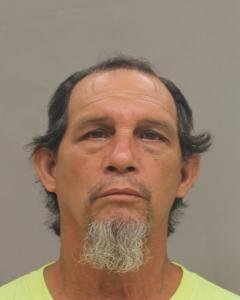
Waldorf "Wally" Wilson, taken 1/25/10 (provided by Department of the Attorney General’s Online Sex Offender Search)
According to an email circulated widely yesterday and obtained by PNN, a woman who asked not to be identified said that Hue told her that Wilson “is out of jail and apparently back on island” and, she says that, “apparently he rides a bike - targets middle-aged Caucasian women and is currently thought to be living in Puhi.”
But the administration got hold of the email and went into “damage control” and convinced the woman that because Wilson “was never convicted of any crimes here on Kaua`i and what I wrote about him borders on libel and slander”.
Saying she “committed a grave blunder and forgotten that all of us have rights and are innocent until proven guilty” the originator of the email said that “(t)he email I sent has gotten back to the office of the mayor and they are in damage control mode right now and I am the subject of this damage control. They do not wish to create widespread panic about this situation which I helped to create.”
According to KPD Blue’s Chapter 8- The Serial Killer which PNN serialized in 2008 (see left rail):
In the spring and summer of 2000 on Kauai’s west side, three white women were stabbed and sexually assaulted. Two died. The third was left for dead and so severely injured that it took her three hours to crawl to a telephone only a few yards away and call for help....
KPD detectives quickly identified a prime suspect but insisted they could never gather enough evidence to arrest or charge him.
The suspect’s brother was a veteran KPD officer....
On April 7, 2000, the battered body of Lisa Bissell, 38, was found in a roadside ditch near Polihale State Park on Kauai’s west side.... On May 22, 2000, a 52-year-old haole woman was beaten and stabbed in the yard of a remote Kekaha beach home where she was house-sitting... The third victim was found on Aug. 30, 2000, at her camp site near Pakala Point Beach, a popular surfing spot. She was identified as Daren Singer, 43, of Paia, Maui...
In early September, KPD detectives rounded up all 70 registered sex offenders on the island. They said they didn’t find any suspects but, of course, they had.
On Sept. 12, 2000, the KPD announced it had arrested a convicted rapist on a parole violation. The man’s name and mug shot were released through the mayor’s office.
The press release was almost instantly followed by another insisting the parole violator was in no way a suspect in the west side attacks and his only crime was violating the conditions of his parole.
The KPD was so vehement in pointing out that the man was not the serial killer, every editor in the state bought it. Except for one Honolulu television station, which used his name and broadcast his picture, all the “news executives” were frightened by the KPD’s threat of libel suits.
The next day, the KPD, through the mayor’s office criticized the lone television station that identified the arrested man for “irresponsible reporting.”
The television station was correct. It was the KPD that was lying. And the mayor’s office knew it but lying to the press was pretty much standard operating procedure. Next, Inspector Mel Morris, head of the investigations bureau, began dragging a red herring claiming, “KPD has not ruled out the possibility that there may be more than one person responsible.”
He said the man arrested is “unrelated to any of these cases. Any impression that might have been given that these cases are close to being solved is flat-out wrong.”
The arrested man was, of course, KPD’s primary, in fact only, suspect and (off the record, of course) they were certain he was the killer but they couldn’t prove it.
His name was Waldorf “Wally” Wilson, and his name and picture were all over the west side on anonymously printed flyers.
But the Honolulu media executives would not publish his name until two years later—and then only because Wilson filed a lawsuit against KPD, a newspaper and a magazine.
Wilson was convicted in 1983 of a brutal rape on Oahu. He was paroled on Jan. 9, 1999 and in January 2000 moved to Kauai. The attacks began three months later.
Wally Wilson’s brother was a KPD officer, Buddy Wilson, a long-time member of the Vice Squad known for his somewhat less than subtle tactics in investigating narcotics cases.
(Once again the circle that began with the Randy Machado trial looped back. Kelly Lau was a witness for Machado at his trial. Lau indicated quite clearly she was a confidential informant working for Buddy Wilson.)
All the while, KPD insisted Wally Wilson was not a suspect. For the next two years, the KPD engaged in tactics that Wally Wilson later claimed in his lawsuit violated his Constitutional rights.
But he was kept off the streets without ever actually being charged with any crime.
And there were no more attacks.
According to Wally Wilson’s lawsuit, KPD “coerced” him into taking a polygraph test on Sept. 12, 2000 and then “strongly pressured” the Hawaii Parole Authority to revoke Wilson’s parole. The results of the polygraph test were not given in the lawsuit.
A judge ultimately threw out Wilson’s lawsuit but by then KPD’s tactics were pretty obvious, as was its complete inability (or unwillingness) to bring criminal charges against him involving the three attacks.
Initially, Wilson’s parole was rescinded because he had been in contact with a woman on Kauai that his parole conditions specifically directed him to avoid. The revocation lasted until Feb. 28, 2002, when he was set free. On June 15, 2002, Wilson was again sent back to prison for violating his parole by failing a polygraph test.
To this day, KPD never has stated Wilson was a suspect at all in the West Side attacks. Yet every time he was released, his parole was violated on one technicality or another, and he was sent back to prison.
The problem is, Wilson has now “maxed out,” served the full term for his earlier conviction, and is back on the street. Since he no longer is on parole, he can’t be hauled in for parole violations.
The case of the one and only serial killer in Kauai’s history remains unsolved.
According to Wilson’s page at the Department of the Attorney General’s Online Sex Offender Search page, Wilson is 50 years old, 5’ 11”, 185 lbs with black hair and brown eyes with tattoos on his right shoulder and left ankle. Although it lists a Honolulu address that is from 2004.
According to the site Wilson was convicted of first degree rape, first degree sex abuse and kidnapping on July 26 1983.
Monday, December 14, 2009
TIME FLIES
TIME FLIES: We’ve been perhaps hyper-critical of Police Chief Darryl Perry’s administration and haven’t had many kind words for the local newspaper’s KPD-beat reporter Paul Curtis who’s served more like a stenographer for Perry’s PR efforts than a reporter.
But Curtis’ Sunday’s entry is almost as baffling as the amazing revelation regarding what most thought were the ongoing, concerted efforts focusing on one of Perry’s stated “top priorities” upon taking office.
After “burying the lede” with six paragraphs and 157 words evoking an image of the entire department scurrying for no-place-in-particular if “a terrorist attack, gas leak or act of nature” were to hit the new KPD headquarters, Curtis talks about the status of Perry’s accreditation efforts.
At the top of the list (of goals) is departmental accreditation, something Perry has been talking about since he became the county’s seventh police chief in October 2007.
Oh, good- let’s see where we are.
“It’s going to take years,” he said of the process. He is advocating appointment of a full-time accreditation manager to guide the department down the rigorous road to accreditation with the Commission on Accreditation for Law Enforcement Agencies.
That manager would also be responsible for attaining periodical re-accreditation, he said. KPD is the state’s only county police department lacking CALEA accreditation.
Well, we knew it was a long process. Apparently we are already at the stage where we need a manager for completing the process.
The appointing of the manager will need to happen as phase one of the department’s accreditation process begins, as he or she will liaison with CALEA, he said.
Huh? Phase 1? Begins? Yes folks, “as phase 1... begins”. Two years later we find out there have been approximately zero efforts toward accreditation and the chief is just now proposing to fund a full time position.
As Curtis then reports, now 11 paragraphs into his piece and five on the subject of accreditation:
Phase one includes contacting CALEA, assessing KPD, establishing a timeline for accreditation completion, and determining roadblocks and obstacles to successful accreditation, according to the single-page 2010 KPD goals list.
You’ve gotta be freakin’ kidding. Contacting them?
Let us be of assistance.
According to CALEA’s “Getting Started and Enrollment” section- which at least Curtis, if not Perry has apparently visited:
Agencies can obtain information, view/print fee schedules and required documents, or purchase any CALEA Publication, including the CALEA Accreditation Compliance Express (CACE) software, directly from the CALEA website or by contacting CALEA (800-368-3757).
We presume they have computers and telephones. Now they have the web site and number to call. And there’s a handy-dandy list of “suggestions... for agencies interested in finding out more about the Law Enforcement Accreditation Program”... two years late being better than never.
Purchase a copy of the Standards for Law Enforcement Agencies and carefully review and compare the CALEA Standards to your existing written directives. By doing this you should be able to determine: 1. what additions or changes will need to be made to policies and procedures; 2. how long this might take; and 3. what additional costs will be involved to include in budget.
Download the CALEA Accreditation Compliance Express (CACE) Help File. The CACE Program provides an agency with a powerful tool in completing the steps necessary to achieve accredited status and serves as a valuable assistant in the overall management of the accreditation process. Click here to begin the download process.
And maybe instead of sending commissioners to attending those mainland pep talks about how to fight against sick people receiving their medical marijuana they might just spend some money to send someone to:
Attend a CALEA Conference. Who should attend? Key council members; managers; mayor; law enforcement entity CEO; command staff; or designated accreditation manager. You will receive the training needed to begin the process and to successfully complete your accreditation goals; network with other public safety personnel and gain insight into the program; and consult with other CALEA Agencies for “flagship examples.”
Or they could just
Arrange to visit with a nearby CALEA Accredited Agency to view accreditation files and written directives.
Attend and/or join the local PAC (Police Accreditation Coalition), if available to you. This is another resource for information and accreditation process training. Click here to check on a PAC in your area.
Among the goals of accreditation, according to the web site and Curtis’ article are to “establish fair and nondiscriminatory personnel practices”. Given the millions paid in attorney fees and awards in discrimination lawsuits over the years it seems incredible that we’re only now getting started on accreditation.
And given the state of community relations after the publication of “KPD Blue” perhaps another stated purpose of “increas(ing) community and staff confidence in the agency” accreditation might be demand a little more immediacy.
One of the first things a student learns in journalism school is “how to write a lead”- or lede in the written lingo. It’s supposed to be the most important “news” in your “story” in 25 words or less.
A real reporter might have written story with a lede that evoked a headline of “Chief’s says accreditation process still not begun”. The fact that Perry could depend on Curtis to cryptically bury the bad news- and try to portray it as “good news” in the middle of an otherwise ho-hum article- speaks volumes.
What Curtis is doing at a newspaper that has moved so far is so short a time with two real newspeople- Mike Levine and Nathan Eagle- in charge, combined with the news that the accreditation process hasn’t begun after two more years has us once again asking “can’t anyone here play this game?”
But Curtis’ Sunday’s entry is almost as baffling as the amazing revelation regarding what most thought were the ongoing, concerted efforts focusing on one of Perry’s stated “top priorities” upon taking office.
After “burying the lede” with six paragraphs and 157 words evoking an image of the entire department scurrying for no-place-in-particular if “a terrorist attack, gas leak or act of nature” were to hit the new KPD headquarters, Curtis talks about the status of Perry’s accreditation efforts.
At the top of the list (of goals) is departmental accreditation, something Perry has been talking about since he became the county’s seventh police chief in October 2007.
Oh, good- let’s see where we are.
“It’s going to take years,” he said of the process. He is advocating appointment of a full-time accreditation manager to guide the department down the rigorous road to accreditation with the Commission on Accreditation for Law Enforcement Agencies.
That manager would also be responsible for attaining periodical re-accreditation, he said. KPD is the state’s only county police department lacking CALEA accreditation.
Well, we knew it was a long process. Apparently we are already at the stage where we need a manager for completing the process.
The appointing of the manager will need to happen as phase one of the department’s accreditation process begins, as he or she will liaison with CALEA, he said.
Huh? Phase 1? Begins? Yes folks, “as phase 1... begins”. Two years later we find out there have been approximately zero efforts toward accreditation and the chief is just now proposing to fund a full time position.
As Curtis then reports, now 11 paragraphs into his piece and five on the subject of accreditation:
Phase one includes contacting CALEA, assessing KPD, establishing a timeline for accreditation completion, and determining roadblocks and obstacles to successful accreditation, according to the single-page 2010 KPD goals list.
You’ve gotta be freakin’ kidding. Contacting them?
Let us be of assistance.
According to CALEA’s “Getting Started and Enrollment” section- which at least Curtis, if not Perry has apparently visited:
Agencies can obtain information, view/print fee schedules and required documents, or purchase any CALEA Publication, including the CALEA Accreditation Compliance Express (CACE) software, directly from the CALEA website or by contacting CALEA (800-368-3757).
We presume they have computers and telephones. Now they have the web site and number to call. And there’s a handy-dandy list of “suggestions... for agencies interested in finding out more about the Law Enforcement Accreditation Program”... two years late being better than never.
Purchase a copy of the Standards for Law Enforcement Agencies and carefully review and compare the CALEA Standards to your existing written directives. By doing this you should be able to determine: 1. what additions or changes will need to be made to policies and procedures; 2. how long this might take; and 3. what additional costs will be involved to include in budget.
Download the CALEA Accreditation Compliance Express (CACE) Help File. The CACE Program provides an agency with a powerful tool in completing the steps necessary to achieve accredited status and serves as a valuable assistant in the overall management of the accreditation process. Click here to begin the download process.
And maybe instead of sending commissioners to attending those mainland pep talks about how to fight against sick people receiving their medical marijuana they might just spend some money to send someone to:
Attend a CALEA Conference. Who should attend? Key council members; managers; mayor; law enforcement entity CEO; command staff; or designated accreditation manager. You will receive the training needed to begin the process and to successfully complete your accreditation goals; network with other public safety personnel and gain insight into the program; and consult with other CALEA Agencies for “flagship examples.”
Or they could just
Arrange to visit with a nearby CALEA Accredited Agency to view accreditation files and written directives.
Attend and/or join the local PAC (Police Accreditation Coalition), if available to you. This is another resource for information and accreditation process training. Click here to check on a PAC in your area.
Among the goals of accreditation, according to the web site and Curtis’ article are to “establish fair and nondiscriminatory personnel practices”. Given the millions paid in attorney fees and awards in discrimination lawsuits over the years it seems incredible that we’re only now getting started on accreditation.
And given the state of community relations after the publication of “KPD Blue” perhaps another stated purpose of “increas(ing) community and staff confidence in the agency” accreditation might be demand a little more immediacy.
One of the first things a student learns in journalism school is “how to write a lead”- or lede in the written lingo. It’s supposed to be the most important “news” in your “story” in 25 words or less.
A real reporter might have written story with a lede that evoked a headline of “Chief’s says accreditation process still not begun”. The fact that Perry could depend on Curtis to cryptically bury the bad news- and try to portray it as “good news” in the middle of an otherwise ho-hum article- speaks volumes.
What Curtis is doing at a newspaper that has moved so far is so short a time with two real newspeople- Mike Levine and Nathan Eagle- in charge, combined with the news that the accreditation process hasn’t begun after two more years has us once again asking “can’t anyone here play this game?”
Thursday, December 10, 2009
ALTERNATIVE REALITY
ALTERNATIVE REALITY: Monica Alves, the “lap dancer” we mentioned yesterday in providing a brief synopsis of the “concerted conspiratorial effort” to remove former Police Chief KC Lum was, as anyone who has read Chapter 3 of KPD Blue knows, later arrested and convicted of killing her niece Kimberly Washington Cohen.
The only version of “facts” that we’ve ever encountered are the official ones as author Anthony Sommer detailed in his Kaua`i best-selling book that we serialized here (see left rail) last year.
Until recently.
According to Sommer, after she was molested at the station house:
Alves sued the KPD and the county for sexual harassment and received a $250,000 settlement, a measure of how desperately Kauai County wanted (and still always wants) to avoid a potentially humiliating public civil trial.
Most of the money Alves was paid by Kauai County went up her nose and into her arms in the form of drug purchases.
The settlement contained a confidentiality agreement that was insisted on by Kauai County and that was totally illegal. Settlements paid by tax dollars are supposed to be public record.
But, there is much in Kauai County that is supposed to be public that Kauai County government keeps secret. And no one, certainly not the Hawaii news media, challenges Kauai County in court.
Shortly afterward, Alves and her husband Mitch Peralto were convicted of the brutal torture and murder of Alves’ niece, a KPD drug informant.
Four adults at the house where the victim was being held witnessed the couple beat, bind and gag Kimberly Washington Cohen, 23, and drive off with her in their car on July 11, 1997. The witnesses did nothing.
It was only later, when the owner returned home, that the police were called.
Apparently, Alves knew Washington Cohen was a confidential informant (although KPD records showed she never provided them any useful information) and believed she had tipped off the police. KPD vice officers had stopped Alves and searched her for drugs.
While beating Washington Cohen, Alves tried to seal her lips shut with fingernail glue, telling her, according to a witness, “You’re never going to be able to talk again.”
The four witnesses watched Alves and Peralto bind Washington Cohen’s arms, ankles and breasts, gag her mouth so tightly “her face was deformed,” duct-tape a blanket over her head and torso and drag her struggling into the back seat of their car and drive away.
The next day, police found the woman’s body in a shallow grave less than a mile from the house where she had been beaten. The cause of death was suffocation.
Alves, sobbing when she heard the guilty verdict, and Peralto were convicted and sentenced to life in prison with no possibility of parole.
If Monica Alves, from her prison cell, is aware of all the twisted turns KPD has taken ever since her arrest for lap dancing, she must be laughing at all of them.
That’s the official version. But last month on November 22 an unknown reader using the name “Rob” left a comment on Chapter 3 that, after careful consideration, we’ve decided to bring forth so our readers will see it.
It should be stressed that we have no idea if what (s)he says is true. As a matter of fact we have no reason to believe it is. However knowing Kaua`i and the state of the police department and judiciary- in terms of both things we’ve reported and things we cannot yet report because we’re still trying to sort out and confirm the “facts” in the allegations- it’s entirely within the realm of possibility and, all things considered, we equally have no reason to believe it’s false.
The three comments by “Rob” are followed by another anonymous comment from someone who calls him or herself “jake lee” and is addressed to “Rob”.
Again- the allegations contained in the comments below are fully unconfirmed and are the allegations of - for all intents and purposes- an anonymous reader and should not be taken as fact, only as an allegation that might be another version of Alves’ saga.
---------
Rob said...
Since I have gotten to know Monica Alves personally by meeting her in prison, I have become thouroghly (sic) convinced by her testimony and the huge amount of Police evidence that she is and was totally inocent (sic) of the murder of Kimberly.
That the police had the larger hand in the matter and that witnesses were bribed and/or threatend (sic) by the Kauai police for their testimonies.
Monica was in police custody before, during and after the murder occured (sic).
Police informants were in the house at the time of Monica's confrontation with Kimberly. They did nothing.
Monica had already left the house before Kimberly was abducted
Did the Police set the whole murder up to retaliate against Monica for winning her lawsuit against them for raping her?
Why were witnesses rewarded with money and a Harley Davidson motorcycle for their testimonies?
Rob
November 22, 2009 9:16 AM
Rob said...
Monica said to the Police when she was arrested "Why don't you arrest her too? She's the one who started the fight!" Monica did not know that Kimberly was abducted! or even missing when the police arrested Monica at her hotel. The car was taken in for evidence and thouroughly (sic) searched only to find absolutely no evidence of Kimberly's being in that car. Who was set up by whom?
November 22, 2009 9:59 AM
Rob said...
Coroners reports show timeline to coincide with Monica's incarceration time. It also show no evidence of glue substances as witnesses claim. Who set up Whom? Witnesses recieved (sic) rewards.
November 22, 2009 10:02 AM
jake lee said...
Hey Rob, i have known monica since 2000, and i know that she's locked up in pikeville ky. because i have been there. i also know that she is in for murder and kidnapping, originally without parole, and now with the courts blessing, with the chance of parole. the bottom line is, she wont get parole for at least 30 years from the time of incarceration, which means 2028! let her go my friend, let her go.
December 9, 2009 12:31 AM
The only version of “facts” that we’ve ever encountered are the official ones as author Anthony Sommer detailed in his Kaua`i best-selling book that we serialized here (see left rail) last year.
Until recently.
According to Sommer, after she was molested at the station house:
Alves sued the KPD and the county for sexual harassment and received a $250,000 settlement, a measure of how desperately Kauai County wanted (and still always wants) to avoid a potentially humiliating public civil trial.
Most of the money Alves was paid by Kauai County went up her nose and into her arms in the form of drug purchases.
The settlement contained a confidentiality agreement that was insisted on by Kauai County and that was totally illegal. Settlements paid by tax dollars are supposed to be public record.
But, there is much in Kauai County that is supposed to be public that Kauai County government keeps secret. And no one, certainly not the Hawaii news media, challenges Kauai County in court.
Shortly afterward, Alves and her husband Mitch Peralto were convicted of the brutal torture and murder of Alves’ niece, a KPD drug informant.
Four adults at the house where the victim was being held witnessed the couple beat, bind and gag Kimberly Washington Cohen, 23, and drive off with her in their car on July 11, 1997. The witnesses did nothing.
It was only later, when the owner returned home, that the police were called.
Apparently, Alves knew Washington Cohen was a confidential informant (although KPD records showed she never provided them any useful information) and believed she had tipped off the police. KPD vice officers had stopped Alves and searched her for drugs.
While beating Washington Cohen, Alves tried to seal her lips shut with fingernail glue, telling her, according to a witness, “You’re never going to be able to talk again.”
The four witnesses watched Alves and Peralto bind Washington Cohen’s arms, ankles and breasts, gag her mouth so tightly “her face was deformed,” duct-tape a blanket over her head and torso and drag her struggling into the back seat of their car and drive away.
The next day, police found the woman’s body in a shallow grave less than a mile from the house where she had been beaten. The cause of death was suffocation.
Alves, sobbing when she heard the guilty verdict, and Peralto were convicted and sentenced to life in prison with no possibility of parole.
If Monica Alves, from her prison cell, is aware of all the twisted turns KPD has taken ever since her arrest for lap dancing, she must be laughing at all of them.
That’s the official version. But last month on November 22 an unknown reader using the name “Rob” left a comment on Chapter 3 that, after careful consideration, we’ve decided to bring forth so our readers will see it.
It should be stressed that we have no idea if what (s)he says is true. As a matter of fact we have no reason to believe it is. However knowing Kaua`i and the state of the police department and judiciary- in terms of both things we’ve reported and things we cannot yet report because we’re still trying to sort out and confirm the “facts” in the allegations- it’s entirely within the realm of possibility and, all things considered, we equally have no reason to believe it’s false.
The three comments by “Rob” are followed by another anonymous comment from someone who calls him or herself “jake lee” and is addressed to “Rob”.
Again- the allegations contained in the comments below are fully unconfirmed and are the allegations of - for all intents and purposes- an anonymous reader and should not be taken as fact, only as an allegation that might be another version of Alves’ saga.
---------
Rob said...
Since I have gotten to know Monica Alves personally by meeting her in prison, I have become thouroghly (sic) convinced by her testimony and the huge amount of Police evidence that she is and was totally inocent (sic) of the murder of Kimberly.
That the police had the larger hand in the matter and that witnesses were bribed and/or threatend (sic) by the Kauai police for their testimonies.
Monica was in police custody before, during and after the murder occured (sic).
Police informants were in the house at the time of Monica's confrontation with Kimberly. They did nothing.
Monica had already left the house before Kimberly was abducted
Did the Police set the whole murder up to retaliate against Monica for winning her lawsuit against them for raping her?
Why were witnesses rewarded with money and a Harley Davidson motorcycle for their testimonies?
Rob
November 22, 2009 9:16 AM
Rob said...
Monica said to the Police when she was arrested "Why don't you arrest her too? She's the one who started the fight!" Monica did not know that Kimberly was abducted! or even missing when the police arrested Monica at her hotel. The car was taken in for evidence and thouroughly (sic) searched only to find absolutely no evidence of Kimberly's being in that car. Who was set up by whom?
November 22, 2009 9:59 AM
Rob said...
Coroners reports show timeline to coincide with Monica's incarceration time. It also show no evidence of glue substances as witnesses claim. Who set up Whom? Witnesses recieved (sic) rewards.
November 22, 2009 10:02 AM
jake lee said...
Hey Rob, i have known monica since 2000, and i know that she's locked up in pikeville ky. because i have been there. i also know that she is in for murder and kidnapping, originally without parole, and now with the courts blessing, with the chance of parole. the bottom line is, she wont get parole for at least 30 years from the time of incarceration, which means 2028! let her go my friend, let her go.
December 9, 2009 12:31 AM
Wednesday, December 9, 2009
A “CONCERTED CONSPIRATORIAL EFFORT”?
A “CONCERTED CONSPIRATORIAL EFFORT”?: A few years back the Kaua`i County Council finally discovered the best way to manipulate the dialogue before the cameras during what some of them call “the show” by taking required testimony on agenda items before and only before their discussions and then, if it’s embarrassing, finding a way to deflect it- often by answering a different question or addressing a different topic than the testimony raised.
Never was that more in evidence than at the last council meeting when the subject of former Kaua`i Police Department (KPD) Chief KC Lum’s lawsuit against the county was addressed.
Council watchdog Glen Mickens had the temerity to state that the persecution and dismissal of Lum was a “concerted conspiratorial effort” which, as the local newspaper’s Michael Levine reported, was met with vehement denials by two of the Minotaur’s gate keepers, Councilmembers Darryl Kaneshiro and Jay Furfaro, and the bone-gnasher himself Chair Kaipo Asing.
But what those who read the article or watched the cablecast of the meeting might have missed was the slight of hand on the council’s part in addressing, not the agenda item detailing an appropriation to fight the Lum lawsuit- which was struck down again in federal court at the 9th circuit level days before, apparently unbeknownst to the council at the time- but the separate somewhat related case of ES-177 which was “won” by the county weeks ago in Hawai`i Supreme Court.
The smoke and mirrors, hocus-pocus was because the charge of there having been a “concerted conspiratorial effort” to get rid of Lum would be difficult if not impossible to deny by anyone who really followed the saga from start to finish.
The first thing about the 9th Circuit decision that should be noted is that they did not rule that there was no conspiracy to get rid of Lum in general, just that it wasn’t race based.
As reported in another article- this one on the 9th Circuit decision itself- the court specifically said:
Lum and attorney Clayton Ikei failed to show former county Finance Department Director Michael Tresler acted with conspiracy based on racial bias when Tresler canceled Lum’s employment agreement (emphasis added)
The second important thing was that the decision was based on the “fact” that former Police Commission Chair Michael Ching showed bias in the hiring of Lum, based on a Board of Ethics (BOE) case that was enforced by the county council after a BOE “trial” of Ching which was held behind closed doors at Ching's behest.
It should be noted that fellow Police Commissioner Carol Furtado was brought up on the same charges of favoritism but chose a public hearing of her case resulting in an acquittal, most observers believe, because it was held in the open.
But looking at the whole sad story it would have been truly absurd for the council to claim that there was no concerted conspiratorial effort in Lum’s firing.
Let’s remember how it happened concerning at least two pertinent events.
The whole business started when former Councilperson and former KPD Officer Mel Rapozo came onto the council along with now Prosecutor Shaylene Iseri-Carvalho, both of whom held a grudge against Lum for events in their past.
Rapozo had been in the room during the infamous “lap dancer” molestation incident and Lum was the lieutenant on duty that night. When Officer Darla Abbatiello- who later sued and won a suit for harassment against the department and county- burst into Lum’s office and told him what was happening down the hall, Lum had no choice but to report the incident- something Rapozo and others to this day claim resulted in the firing of the “three good officer” who molested the “lap dancer” and the resignation of Rapozo who, supposedly, “just” stood by watching and laughing.
Iseri’s grudge came from a party she was hosting at Lydgate Park pavilion where the level of noise and boisterousness was such that a complaint was filed and Lum was the responding officer. A drunken Iseri, then a deputy prosecutor, confronted Lum when he came a second time to tell her to break it up and she always held a grudge based on the incident according to multiple sources.
Then came ES-177 and, according to an OIP letter to County Clerk Peter Nakamura during the back and forth about releasing the minutes, Rapozo went off on the whole department, especially Lum, detailing what he saw as injustices.
Rapozo obviously thought no one would ever know what he said since no executive session minutes had ever been released by the council- a fact still true today. Since it would have been embarrassing to the newly elected Rapozo had the minutes been released Chair Asing took the opportunity to try to corral the “maverick” Rapozo and hang the ES content over his head, assuring compliance with Asing's wishes and machinations over the next two council terms whenever Rapozo’s enthusiasm got in the way or “rocked the boat” as Asing is fond of saying.
It was in fact Asing who filed the charges with the BOE against Lum, at first on council letterhead and then, when he realized the whole council had never approved such a charge and that it would have indeed been an ethics violation to use his office to file the complaint against Ching, he said he made a “mistake” and said he was filing as a private citizen.
But the real heart of the conspiracy occurred at the mayor-appointed, council-confirmed BOE. The Ching case was heard by a retired Maui judge in secret and the secret report was given to the BOE. But while the report the BOE released to the council seemed to indicate that Ching had indeed used his position to secure a special privilege for Lum that wasn’t what the full report indicated.
Citizen activist Richard Stauber came before the council during the council’s session held to approve the BOE report and had a copy of the full report in which the judge essentially said that nothing untoward had happened and actually exonerated Ching although he did allow the county attorney’s office to write up the summery judgment which is what the council considered without officially seeing the whole report.
Saying a “little bird dropped (the full document) in my widow” Stauber tried to present it to the council as part of his testimony. But the council, perhaps fully aware of the content and not wanting the full report to become part of the public record, actually not only refused to accept the document and but when Stauber placed it on their table they instructed staff to physically give it back to Stauber.
Though the document was presented to the then council-beat reporter for the local newspaper Lester Chang- whose writing skills bordered on incompetence and who was widely known for his kow-towing to Asing and his penchant for trying to please the council- he refused to report on or even mention the additional data making sure that the general public never heard about the full report.
Finally a reluctant Mayor Bryan Baptiste, who originally really wanted the whole thing to just go away but later came to see which way the wind was blowing, joined the conspiracy apparently instructing Finance Director Michael Tressler- who was reward with a cushy. do-nothing vice-presidency at a big local land owner Grove Farm- to terminate Lum’s contract, resulting in Lum’s retirement because if he had allow himself to be “fired” as chief it could have resulted in him losing his seniority and thus pension.
Many other little oddities occurred during the time, mostly related to Police Commissioner Leon Gonsalves’ “hop sing” letter.
That bled over into the Lum persecution which also involved supporters of current Police Chief Darryl Perry including his brother, prominent attorney Warren Perry, and the leadership of the police union SHOPPO along with others in the administration who had begun to understand that their support of Lum might lead to consequences such as when another officer was disciplined for circulating a petition supporting Lum.
Soon the silence in support of Lum was deafening and no one was left to say boo when he was canned.
We certainly haven’t covered all the elements of the conspiracy here. To find out more details, if you’ve never read former Honolulu Star Bulletin Kaua`i Bureau Chief Anthony Sommer’s book KPD Blue (see left rail) it’s about time you did. And if any of the names or terms seem unfamiliar you can cut and paste them into the search box at the top of the page to see our past coverage.
What’s perhaps most galling about last Wednesday’s council “show” was the little conspiracy in the room and the way councilmembers browbeat and intimidated Mickens because, although he sat through the whole debacle along with Sommer and PNN, he might not always be as quick with his wits and as ready for confrontation as we might be had we been there and been given the opportunity to say what we’ve said here.
So pick on someone your own size Kaipo, Jay and Darryl. Anytime, any place we’d be not just glad but elated to debate any or all of you on the topic of the “concerted conspiratorial effort”. No?- well your silence is deafening, especially given your treatment of other who may be less articulate when they appear before you and your avoidance of people who can verbally hold their own.
We feel that Lum made a mistake in trying to make the whole case about racial/ethnic discrimination rather than a general wrongful termination. We also feel like his attorney Clayton Ikei didn’t serve him well in the various courts. Since it’s doubtful Lum has the money to continue the fight it seems that the county’s victory at the three-judge-panel level of the federal 9th Circuit will stand.
To claim there was no conspiracy in general to reverse the hiring of Lum- who would have been approved by the commission even without Ching's vote- unfortunately serves as a lesson to those who might enter the Minotaur’s labyrinth- have your wits about you and sword drawn even when the dark is as dark as can be, lest you serve as grist for the bonemill.
Never was that more in evidence than at the last council meeting when the subject of former Kaua`i Police Department (KPD) Chief KC Lum’s lawsuit against the county was addressed.
Council watchdog Glen Mickens had the temerity to state that the persecution and dismissal of Lum was a “concerted conspiratorial effort” which, as the local newspaper’s Michael Levine reported, was met with vehement denials by two of the Minotaur’s gate keepers, Councilmembers Darryl Kaneshiro and Jay Furfaro, and the bone-gnasher himself Chair Kaipo Asing.
But what those who read the article or watched the cablecast of the meeting might have missed was the slight of hand on the council’s part in addressing, not the agenda item detailing an appropriation to fight the Lum lawsuit- which was struck down again in federal court at the 9th circuit level days before, apparently unbeknownst to the council at the time- but the separate somewhat related case of ES-177 which was “won” by the county weeks ago in Hawai`i Supreme Court.
The smoke and mirrors, hocus-pocus was because the charge of there having been a “concerted conspiratorial effort” to get rid of Lum would be difficult if not impossible to deny by anyone who really followed the saga from start to finish.
The first thing about the 9th Circuit decision that should be noted is that they did not rule that there was no conspiracy to get rid of Lum in general, just that it wasn’t race based.
As reported in another article- this one on the 9th Circuit decision itself- the court specifically said:
Lum and attorney Clayton Ikei failed to show former county Finance Department Director Michael Tresler acted with conspiracy based on racial bias when Tresler canceled Lum’s employment agreement (emphasis added)
The second important thing was that the decision was based on the “fact” that former Police Commission Chair Michael Ching showed bias in the hiring of Lum, based on a Board of Ethics (BOE) case that was enforced by the county council after a BOE “trial” of Ching which was held behind closed doors at Ching's behest.
It should be noted that fellow Police Commissioner Carol Furtado was brought up on the same charges of favoritism but chose a public hearing of her case resulting in an acquittal, most observers believe, because it was held in the open.
But looking at the whole sad story it would have been truly absurd for the council to claim that there was no concerted conspiratorial effort in Lum’s firing.
Let’s remember how it happened concerning at least two pertinent events.
The whole business started when former Councilperson and former KPD Officer Mel Rapozo came onto the council along with now Prosecutor Shaylene Iseri-Carvalho, both of whom held a grudge against Lum for events in their past.
Rapozo had been in the room during the infamous “lap dancer” molestation incident and Lum was the lieutenant on duty that night. When Officer Darla Abbatiello- who later sued and won a suit for harassment against the department and county- burst into Lum’s office and told him what was happening down the hall, Lum had no choice but to report the incident- something Rapozo and others to this day claim resulted in the firing of the “three good officer” who molested the “lap dancer” and the resignation of Rapozo who, supposedly, “just” stood by watching and laughing.
Iseri’s grudge came from a party she was hosting at Lydgate Park pavilion where the level of noise and boisterousness was such that a complaint was filed and Lum was the responding officer. A drunken Iseri, then a deputy prosecutor, confronted Lum when he came a second time to tell her to break it up and she always held a grudge based on the incident according to multiple sources.
Then came ES-177 and, according to an OIP letter to County Clerk Peter Nakamura during the back and forth about releasing the minutes, Rapozo went off on the whole department, especially Lum, detailing what he saw as injustices.
Rapozo obviously thought no one would ever know what he said since no executive session minutes had ever been released by the council- a fact still true today. Since it would have been embarrassing to the newly elected Rapozo had the minutes been released Chair Asing took the opportunity to try to corral the “maverick” Rapozo and hang the ES content over his head, assuring compliance with Asing's wishes and machinations over the next two council terms whenever Rapozo’s enthusiasm got in the way or “rocked the boat” as Asing is fond of saying.
It was in fact Asing who filed the charges with the BOE against Lum, at first on council letterhead and then, when he realized the whole council had never approved such a charge and that it would have indeed been an ethics violation to use his office to file the complaint against Ching, he said he made a “mistake” and said he was filing as a private citizen.
But the real heart of the conspiracy occurred at the mayor-appointed, council-confirmed BOE. The Ching case was heard by a retired Maui judge in secret and the secret report was given to the BOE. But while the report the BOE released to the council seemed to indicate that Ching had indeed used his position to secure a special privilege for Lum that wasn’t what the full report indicated.
Citizen activist Richard Stauber came before the council during the council’s session held to approve the BOE report and had a copy of the full report in which the judge essentially said that nothing untoward had happened and actually exonerated Ching although he did allow the county attorney’s office to write up the summery judgment which is what the council considered without officially seeing the whole report.
Saying a “little bird dropped (the full document) in my widow” Stauber tried to present it to the council as part of his testimony. But the council, perhaps fully aware of the content and not wanting the full report to become part of the public record, actually not only refused to accept the document and but when Stauber placed it on their table they instructed staff to physically give it back to Stauber.
Though the document was presented to the then council-beat reporter for the local newspaper Lester Chang- whose writing skills bordered on incompetence and who was widely known for his kow-towing to Asing and his penchant for trying to please the council- he refused to report on or even mention the additional data making sure that the general public never heard about the full report.
Finally a reluctant Mayor Bryan Baptiste, who originally really wanted the whole thing to just go away but later came to see which way the wind was blowing, joined the conspiracy apparently instructing Finance Director Michael Tressler- who was reward with a cushy. do-nothing vice-presidency at a big local land owner Grove Farm- to terminate Lum’s contract, resulting in Lum’s retirement because if he had allow himself to be “fired” as chief it could have resulted in him losing his seniority and thus pension.
Many other little oddities occurred during the time, mostly related to Police Commissioner Leon Gonsalves’ “hop sing” letter.
That bled over into the Lum persecution which also involved supporters of current Police Chief Darryl Perry including his brother, prominent attorney Warren Perry, and the leadership of the police union SHOPPO along with others in the administration who had begun to understand that their support of Lum might lead to consequences such as when another officer was disciplined for circulating a petition supporting Lum.
Soon the silence in support of Lum was deafening and no one was left to say boo when he was canned.
We certainly haven’t covered all the elements of the conspiracy here. To find out more details, if you’ve never read former Honolulu Star Bulletin Kaua`i Bureau Chief Anthony Sommer’s book KPD Blue (see left rail) it’s about time you did. And if any of the names or terms seem unfamiliar you can cut and paste them into the search box at the top of the page to see our past coverage.
What’s perhaps most galling about last Wednesday’s council “show” was the little conspiracy in the room and the way councilmembers browbeat and intimidated Mickens because, although he sat through the whole debacle along with Sommer and PNN, he might not always be as quick with his wits and as ready for confrontation as we might be had we been there and been given the opportunity to say what we’ve said here.
So pick on someone your own size Kaipo, Jay and Darryl. Anytime, any place we’d be not just glad but elated to debate any or all of you on the topic of the “concerted conspiratorial effort”. No?- well your silence is deafening, especially given your treatment of other who may be less articulate when they appear before you and your avoidance of people who can verbally hold their own.
We feel that Lum made a mistake in trying to make the whole case about racial/ethnic discrimination rather than a general wrongful termination. We also feel like his attorney Clayton Ikei didn’t serve him well in the various courts. Since it’s doubtful Lum has the money to continue the fight it seems that the county’s victory at the three-judge-panel level of the federal 9th Circuit will stand.
To claim there was no conspiracy in general to reverse the hiring of Lum- who would have been approved by the commission even without Ching's vote- unfortunately serves as a lesson to those who might enter the Minotaur’s labyrinth- have your wits about you and sword drawn even when the dark is as dark as can be, lest you serve as grist for the bonemill.
Wednesday, October 14, 2009
A THIRD OF A NINTH
A THIRD OF A NINTH: Today the United States Court Of Appeals For The Ninth Circuit will be hearing the case of KC Lum v. Kauai County Council, former Kauai` Police Department Chief Lum’s appeal of the dismissal of his civil rights case against the county council and other county entities.
It may or may not be telling that it’s the last case of a two day calendar.
The audio of the oral hearings should be available here by noon tomorrow.
But when we went to review the briefs filed in search of all the particulars, we found that they were filed “under seal”.
We were able though to obtain what was filed and the list is fascinating. Anyone who has read KPD Blue or this space will recognize many of the names. Keep these in mind when listening to the tape tomorrow.
For those who want a to peruse the scorecard, here’s the full docket so far ...sans details (thanks to Charley Foster).
----------------------
05/05/2008
1 3 pg, 172.92 KB
DOCKETED CAUSE AND ENTERED APPEARANCES OF COUNSEL. SEND CADS: No. The schedule is set as follows: Designation of RT for Appellant King C. Lum due 05/05/2008. Designation of RT for Appellee Bryan Baptiste, Leon Gonsalves Sr., Kauai County, Kauai County Council and Michael H. Tresler due 05/15/2008. Transcript order for Appellant King C. Lum due 05/27/2008. Certificate of record due 06/02/2008. Appellant King C. Lum opening brief due 08/11/2008. Appellee Bryan Baptiste, Appellee Leon Gonsalves Sr., Appellee Kauai County, Appellee Kauai County Council and Appellee Michael H. Tresler answering brief due 09/09/2008. Appellant's optional reply brief is due 14 days after service of the answering brief. (GR)
05/05/2008
2
Filed representation notice of Clayton C. Ikei and Jerry P.S. Chang (GR)
05/05/2008
3
Filed Civil Appeals Docketing Statement. Served on 04/25/2008. (GR)
05/08/2008
4 8 pg, 78.65 KB
Filed order MEDIATION (VLS): Case referred to Mediation for assessment conference only. Telephone conference to be on 06/02/2008 at 02:30 pm. (Pacific Standard Time) (KKW)
05/14/2008
5
Filed certificate of record on appeal. RT filed in DC 6/12/08 (EL)
05/15/2008
6
Filed Appellant King C. Lum notice of order of transcript. Reporters transcript ordered: (NONE) (RC)
06/02/2008
7 1 pg, 32.39 KB
Filed order MEDIATION (RGA):The court will initiate a further assessment conference by telephone on July 1, 2008, at 3:00 p.m. PACIFIC (San Francisco) Time.The briefing schedule previously set by the court is amended as follows: appellant shall file an opening brief on or before September 15, 2008; appellees shall file an answering brief on or before October 15, 2008; appellant may file an optional reply brief within fourteen (14) days from the service date of the answering brief. (KKW)
06/30/2008
8 1 pg, 31.74 KB
Filed order MEDIATION (RGA):. At the request of counsel for appellees, the further assessment conference originally scheduled for July 1, 2008, is continued to August 5, 2008, at 3:00 p.m. PACIFIC (San Francisco) Time. (KKW)
08/06/2008
9 2 pg, 28.05 KB
Filed order MEDIATION (RGA): The court has determined that this appeal will not be selected for inclusion in the Mediation Program. All further inquiries regarding this appeal, including requests for extensions of time, should be directed to the Clerk’s office. The briefing schedule previously set by the court is amended as follows: appellant shall file an opening brief on or before October 6, 2008; appellees shall file an answering brief on or before November 20, 2008; appellant may file an optional reply brief within fourteen (14) days from the service date of the answering brief. Counsel are requested to contact the Circuit Mediator should circumstances develop that warrant further settlement discussions while the appeal is pending. (WL)
10/03/2008
10
Received Appellant King C. Lum's notification of filing Vol. 5 of EOR UNDER SEAL, with copy of DC protective order attached. (LA)
10/03/2008
11
Filed original and 15 copies of Appellant King C. Lum (Informal: No) opening brief of 62 pages. Five copies Excerpts of record in 12 volumes (Vol. 5 FILED UNDER SEAL). Served on 10/02/2008. (LA)
11/21/2008
12
Filed original and 15 copies of Appellee Leon Gonsalves, Sr. answering brief of 30 pages and separate addendum. Supplemental Excerpts of record in 4 volumes. Served on 11/19/2008. (LA)
11/24/2008
13
Filed original and 15 copies of Appellees Bryan Baptiste, Kauai County, Kauai County Council and Michael H. Tresler answering brief of 50 pages. Supplemental Excerpts of record in 2 volumes. Served on 11/20/2008. (LA)
12/03/2008
14
Filed original and 15 copies of Appellant King C. Lum (Informal: No) reply brief of 6 pages. Served on 12/02/2008. (LA)
06/29/2009
15
Calendar check performed. [6972743] (AW)
07/24/2009
16 1 pg, 77.09 KB
Received copy of transcript designation and ordering form filed in DC. [7003647] (MT)
08/06/2009
17
Calendar materials being prepared. [7018072] [08-10422, 09-10092, 08-16167, 08-17166, 08-15648, 08-16352, 08-16093, 09-10147] (AM)
08/10/2009
18
CALENDARED: 10/14/2009 9:00 AM Honolulu, HI Sixth Flr Courtroom [7021130] [08-10422, 09-10092, 08-16167, 08-17166, 08-15648, 08-16352, 08-16093, 09-10147] (AM)
09/02/2009
19 4 pg, 121.29 KB
Notice of Oral Argument on OCTOBER 14, 2009 Calendar. Please return ACKNOWLEDGEMENT OF HEARING NOTICE form to: SAN FRANCISCO Office. Please open attached documents to view details about your case. [7049601] (AM)
09/14/2009
20
UPDATED CASE CALENDARED: 10/14/2009 9:30 AM Honolulu, HI, The University of Hawaii @ Manoa, William .S Richardson School of Law, Moot Courtroom [7060079] [09-10147, 08-10422, 09-10092, 08-17166, 08-15648, 08-16352, 08-16093] (AM)
09/14/2009
21 7 pg, 323.31 KB
REVISED Notice of Oral Argument on OCTOBER 14, 2009 at The University of Hawaii @ Manoa Law School. Please note the location and time change of hearing, and return ACKNOWLEDGEMENT OF HEARING NOTICE form to: SAN FRANCISCO Office. Open attached documents to view details about your case. [7060349] (AM)
It may or may not be telling that it’s the last case of a two day calendar.
The audio of the oral hearings should be available here by noon tomorrow.
But when we went to review the briefs filed in search of all the particulars, we found that they were filed “under seal”.
We were able though to obtain what was filed and the list is fascinating. Anyone who has read KPD Blue or this space will recognize many of the names. Keep these in mind when listening to the tape tomorrow.
For those who want a to peruse the scorecard, here’s the full docket so far ...sans details (thanks to Charley Foster).
----------------------
05/05/2008
1 3 pg, 172.92 KB
DOCKETED CAUSE AND ENTERED APPEARANCES OF COUNSEL. SEND CADS: No. The schedule is set as follows: Designation of RT for Appellant King C. Lum due 05/05/2008. Designation of RT for Appellee Bryan Baptiste, Leon Gonsalves Sr., Kauai County, Kauai County Council and Michael H. Tresler due 05/15/2008. Transcript order for Appellant King C. Lum due 05/27/2008. Certificate of record due 06/02/2008. Appellant King C. Lum opening brief due 08/11/2008. Appellee Bryan Baptiste, Appellee Leon Gonsalves Sr., Appellee Kauai County, Appellee Kauai County Council and Appellee Michael H. Tresler answering brief due 09/09/2008. Appellant's optional reply brief is due 14 days after service of the answering brief. (GR)
05/05/2008
2
Filed representation notice of Clayton C. Ikei and Jerry P.S. Chang (GR)
05/05/2008
3
Filed Civil Appeals Docketing Statement. Served on 04/25/2008. (GR)
05/08/2008
4 8 pg, 78.65 KB
Filed order MEDIATION (VLS): Case referred to Mediation for assessment conference only. Telephone conference to be on 06/02/2008 at 02:30 pm. (Pacific Standard Time) (KKW)
05/14/2008
5
Filed certificate of record on appeal. RT filed in DC 6/12/08 (EL)
05/15/2008
6
Filed Appellant King C. Lum notice of order of transcript. Reporters transcript ordered: (NONE) (RC)
06/02/2008
7 1 pg, 32.39 KB
Filed order MEDIATION (RGA):The court will initiate a further assessment conference by telephone on July 1, 2008, at 3:00 p.m. PACIFIC (San Francisco) Time.The briefing schedule previously set by the court is amended as follows: appellant shall file an opening brief on or before September 15, 2008; appellees shall file an answering brief on or before October 15, 2008; appellant may file an optional reply brief within fourteen (14) days from the service date of the answering brief. (KKW)
06/30/2008
8 1 pg, 31.74 KB
Filed order MEDIATION (RGA):. At the request of counsel for appellees, the further assessment conference originally scheduled for July 1, 2008, is continued to August 5, 2008, at 3:00 p.m. PACIFIC (San Francisco) Time. (KKW)
08/06/2008
9 2 pg, 28.05 KB
Filed order MEDIATION (RGA): The court has determined that this appeal will not be selected for inclusion in the Mediation Program. All further inquiries regarding this appeal, including requests for extensions of time, should be directed to the Clerk’s office. The briefing schedule previously set by the court is amended as follows: appellant shall file an opening brief on or before October 6, 2008; appellees shall file an answering brief on or before November 20, 2008; appellant may file an optional reply brief within fourteen (14) days from the service date of the answering brief. Counsel are requested to contact the Circuit Mediator should circumstances develop that warrant further settlement discussions while the appeal is pending. (WL)
10/03/2008
10
Received Appellant King C. Lum's notification of filing Vol. 5 of EOR UNDER SEAL, with copy of DC protective order attached. (LA)
10/03/2008
11
Filed original and 15 copies of Appellant King C. Lum (Informal: No) opening brief of 62 pages. Five copies Excerpts of record in 12 volumes (Vol. 5 FILED UNDER SEAL). Served on 10/02/2008. (LA)
11/21/2008
12
Filed original and 15 copies of Appellee Leon Gonsalves, Sr. answering brief of 30 pages and separate addendum. Supplemental Excerpts of record in 4 volumes. Served on 11/19/2008. (LA)
11/24/2008
13
Filed original and 15 copies of Appellees Bryan Baptiste, Kauai County, Kauai County Council and Michael H. Tresler answering brief of 50 pages. Supplemental Excerpts of record in 2 volumes. Served on 11/20/2008. (LA)
12/03/2008
14
Filed original and 15 copies of Appellant King C. Lum (Informal: No) reply brief of 6 pages. Served on 12/02/2008. (LA)
06/29/2009
15
Calendar check performed. [6972743] (AW)
07/24/2009
16 1 pg, 77.09 KB
Received copy of transcript designation and ordering form filed in DC. [7003647] (MT)
08/06/2009
17
Calendar materials being prepared. [7018072] [08-10422, 09-10092, 08-16167, 08-17166, 08-15648, 08-16352, 08-16093, 09-10147] (AM)
08/10/2009
18
CALENDARED: 10/14/2009 9:00 AM Honolulu, HI Sixth Flr Courtroom [7021130] [08-10422, 09-10092, 08-16167, 08-17166, 08-15648, 08-16352, 08-16093, 09-10147] (AM)
09/02/2009
19 4 pg, 121.29 KB
Notice of Oral Argument on OCTOBER 14, 2009 Calendar. Please return ACKNOWLEDGEMENT OF HEARING NOTICE form to: SAN FRANCISCO Office. Please open attached documents to view details about your case. [7049601] (AM)
09/14/2009
20
UPDATED CASE CALENDARED: 10/14/2009 9:30 AM Honolulu, HI, The University of Hawaii @ Manoa, William .S Richardson School of Law, Moot Courtroom [7060079] [09-10147, 08-10422, 09-10092, 08-17166, 08-15648, 08-16352, 08-16093] (AM)
09/14/2009
21 7 pg, 323.31 KB
REVISED Notice of Oral Argument on OCTOBER 14, 2009 at The University of Hawaii @ Manoa Law School. Please note the location and time change of hearing, and return ACKNOWLEDGEMENT OF HEARING NOTICE form to: SAN FRANCISCO Office. Open attached documents to view details about your case. [7060349] (AM)
Tuesday, September 29, 2009
BARKING IN THE DARK
BARKING IN THE DARK: Joan Conrow’s recent interview with Kaua`i Police Department (KPD) Chief Darryl Perry in the Hawai`i Independent begins with Perry’s depiction of what he found when he took office saying:
When Police Chief Darryl Perry started work on Kauai two years ago, he was startled to find that his office lacked not only transition reports, but even such rudimentary supplies as a pencil and stapler.
“I wondered what else I would find if the basics were missing,” Perry recalled during a KKCR radio interview that I conducted with him on Thursday afternoon.
He soon discovered that much more was missing from the long-troubled department, including an internal affairs division, certain records, modern policies, good morale, and leadership. The force had some 30 vacant positions, and no disciplinary action had been taken against officers for the previous three years, resulting in a backlog of about 20 cases.
Whether this is due to ignorance of what happened before he took office along with a lack of comprehension of the laws governing the police commission and department or is the result of a selective memory is a matter only Perry himself can clarify.
But it’s essential that light be shed on some of the misconceptions and misperceptions that might result from reading the veiled passive aggressive allegations.
Let’s start with the complaint regarding processing of complaints.
There has been a fundamental problem of ambiguity and lack of clarity with the processing of complaints on Kaua`i since the county charter was adopted.
The relevant charter provisions read:
Section 11.03. General Powers of the Commission. The police
commission shall:
C. Receive, consider and investigate charges brought by the public against the conduct of the department or any of its members and submit a written report of its findings to the chief of police within ninety days.
Section 11.06. Discipline and Removal. The dismissal, suspension, or demotion of any police officer or employee in the police department shall be under procedures set forth by civil service laws and regulations.
There is nothing further stated in the charter as to what happens then. The problem has been that the HAR (Hawai`i Administrative Rules) are not of much help either. As a matter of fact they call for complaints to be filed with either the commission or the chief, according to a long standing commission complaint, causing no small confusion in tracking complaints.
Does the charter’s wording preclude an internal affairs division? After all if the commission is supposed to “(r)eceive, consider and investigate charges” what does an IA do? And what happens after the chief receives the report? And who is to do the investigation for the commission? It would seem to indicate an independent investigation is required conducted by the commission, not the department.
In practice the commission has received a small budget to hire investigators but that money has come up short of what is needed year after year with finding the most cost effective method of hiring investigators taking up an inordinate amount of commission time and energy in recent years.
One of the first police commission meetings PNN attended was when Mayor Maryanne Kusaka, apparently illegally interfering with the commission’s function, attempted to remove Chief George Freitas on her own by directing his secretary to seize his badge and gun under trumped up charges, all but a minor one of which- that his girlfriend rode in his police car- were determined by the commission to be unfounded.
According to the charter, the only function the Mayor serves regarding the KPD is to nominate the commissioners, who are confirmed by the county council.
At that meeting amidst the confusion and political machinations- under a county attorney, Hartwell Blake, who simply refused to recognize the charter and allowed the mayor to interfere with the commission and department in any manner she pleased- there was an agenda item that was deferred and did not show up on the agenda again for the next few years while the commission’s time was dominated with the proceedings regarding Freitas.
The item was to initiate review leading to new administrative rules as concerned complaints. To this day the commission operates under the rules they had found to be wanting for years before that meeting.
Once Freitas retired- with a huge “settlement” buyout in exchange for his dropping of a open-and-shut-case lawsuit against the county – the commission’s job number one was the search for a new chief. Through a series of interim chiefs the issues of administrative rules and insufficient money for investigators- and therefore the complaints themselves- took a backseat until it finally reappeared on the agenda again right after the appointment of Chief KC Lum.
But of course at that point all hell broke loose again with a new round of politically motivated charges against not just Lum but the chair and vice chair of the commission, all of whose time was consumed fighting the trumped up charges of two councilpersons- Mel Rapozo and Shaylene Iseri Carvalho- who held personal grudges against Lum.
Eventually Council Chair Kaipo Asing, in order to keep the support of the two for his now infamous iron fisted rule of the council, filed the complaint against Lum... at first officially on council letterhead appearing to speak for the whole council until complaints against Asing were filed when he claimed he just made a mistake by using county letterhead.
For the next two years the political shenanigans and charges dominated the commission meetings, interrupted and compounded by the “Hop Sing” episode where commissioner Leon Gonsalves’ email by using the racial slur was revealed spurring public pressure that caused then-Mayor Brian Baptiste to ask the council to remove Gonsalves.
When the council finally put the matter on the agenda under pressure from the police union leadership and others- including Perry’s brother Warren and many other of Perry’s supporters, including Gonsalves who also stated how he “could throw up” seeing Lum sworn in after Perry had lost out to Lum for the top cop job- the council refused to remove Gonsalves claiming it was “just his way of talking”.
Despite the blatant ethnic slur- Lum is of Chinese descent as was the Hop Sing character, a servant on the TV show Bonanza- Gonsalves was excused because he apparently had slurred many others with ethnic nicknames, as did others at the department, so somehow it didn’t matter because, as Asing and other councilmembers said, it was just “local culture”.
Amidst all that, the commission- by then the go to body to receive and investigate complaints- was in such constant turmoil and operating with bitter cross-table personal animosities, it made all other work, especially processing complaints, almost impossible.
And while all this was going on, the department’s chief financial officer took sick and went on leave with cancer right after Lum took office. This caused a constant lack of up to date accounting, compounding the longstanding deficiencies in the reporting system that kept reports from the financial officer up to three months behind causing the "actuals" of the last three months of the fiscal year to be unavailable until the year was over.
Since the department had been anywhere from 30 to 45 officer short for many years overtime pay was out of control. But rather than increase the line item for overtime the council expected Lum to cover all the shifts with the money appropriated for regular salary- something that, of course could never cover the higher overtime pay rate.
Lum was forced to scrimp and save in order to put enough officers on the streets- a policy the council and mayor, not to mention the community, insisted upon- without going over budget.
Despite this- and the fact that a final report from the finance director found he was not over budget- he was excoriated by the council for going over his budget when the real problem was apparently an accounting one caused by the absence of the long time financial officer.
That may explain why there were seemingly insufficient pencils and staplers with the money going to overtime salaries.
It would have been surprising- given all the political in-fighting, the major upheavals in removing two chiefs, the appointments of multiple interim chiefs, the procedural problems with complaint processing, the lack of a financial officer and all the other items detailed in Anthony Sommer’s book KPD Blue (which Perry recently seeming admitted was factual in saying “the days of KPD Blue are ‘over’”) – if anything else on the commission agenda was moving forward, including processing of complaints under unclear rules.
Pointing fingers is easy. Examining precisely what happened- especially when you’ve been in denial about it- is a little bit harder.
When Police Chief Darryl Perry started work on Kauai two years ago, he was startled to find that his office lacked not only transition reports, but even such rudimentary supplies as a pencil and stapler.
“I wondered what else I would find if the basics were missing,” Perry recalled during a KKCR radio interview that I conducted with him on Thursday afternoon.
He soon discovered that much more was missing from the long-troubled department, including an internal affairs division, certain records, modern policies, good morale, and leadership. The force had some 30 vacant positions, and no disciplinary action had been taken against officers for the previous three years, resulting in a backlog of about 20 cases.
Whether this is due to ignorance of what happened before he took office along with a lack of comprehension of the laws governing the police commission and department or is the result of a selective memory is a matter only Perry himself can clarify.
But it’s essential that light be shed on some of the misconceptions and misperceptions that might result from reading the veiled passive aggressive allegations.
Let’s start with the complaint regarding processing of complaints.
There has been a fundamental problem of ambiguity and lack of clarity with the processing of complaints on Kaua`i since the county charter was adopted.
The relevant charter provisions read:
Section 11.03. General Powers of the Commission. The police
commission shall:
C. Receive, consider and investigate charges brought by the public against the conduct of the department or any of its members and submit a written report of its findings to the chief of police within ninety days.
Section 11.06. Discipline and Removal. The dismissal, suspension, or demotion of any police officer or employee in the police department shall be under procedures set forth by civil service laws and regulations.
There is nothing further stated in the charter as to what happens then. The problem has been that the HAR (Hawai`i Administrative Rules) are not of much help either. As a matter of fact they call for complaints to be filed with either the commission or the chief, according to a long standing commission complaint, causing no small confusion in tracking complaints.
Does the charter’s wording preclude an internal affairs division? After all if the commission is supposed to “(r)eceive, consider and investigate charges” what does an IA do? And what happens after the chief receives the report? And who is to do the investigation for the commission? It would seem to indicate an independent investigation is required conducted by the commission, not the department.
In practice the commission has received a small budget to hire investigators but that money has come up short of what is needed year after year with finding the most cost effective method of hiring investigators taking up an inordinate amount of commission time and energy in recent years.
One of the first police commission meetings PNN attended was when Mayor Maryanne Kusaka, apparently illegally interfering with the commission’s function, attempted to remove Chief George Freitas on her own by directing his secretary to seize his badge and gun under trumped up charges, all but a minor one of which- that his girlfriend rode in his police car- were determined by the commission to be unfounded.
According to the charter, the only function the Mayor serves regarding the KPD is to nominate the commissioners, who are confirmed by the county council.
At that meeting amidst the confusion and political machinations- under a county attorney, Hartwell Blake, who simply refused to recognize the charter and allowed the mayor to interfere with the commission and department in any manner she pleased- there was an agenda item that was deferred and did not show up on the agenda again for the next few years while the commission’s time was dominated with the proceedings regarding Freitas.
The item was to initiate review leading to new administrative rules as concerned complaints. To this day the commission operates under the rules they had found to be wanting for years before that meeting.
Once Freitas retired- with a huge “settlement” buyout in exchange for his dropping of a open-and-shut-case lawsuit against the county – the commission’s job number one was the search for a new chief. Through a series of interim chiefs the issues of administrative rules and insufficient money for investigators- and therefore the complaints themselves- took a backseat until it finally reappeared on the agenda again right after the appointment of Chief KC Lum.
But of course at that point all hell broke loose again with a new round of politically motivated charges against not just Lum but the chair and vice chair of the commission, all of whose time was consumed fighting the trumped up charges of two councilpersons- Mel Rapozo and Shaylene Iseri Carvalho- who held personal grudges against Lum.
Eventually Council Chair Kaipo Asing, in order to keep the support of the two for his now infamous iron fisted rule of the council, filed the complaint against Lum... at first officially on council letterhead appearing to speak for the whole council until complaints against Asing were filed when he claimed he just made a mistake by using county letterhead.
For the next two years the political shenanigans and charges dominated the commission meetings, interrupted and compounded by the “Hop Sing” episode where commissioner Leon Gonsalves’ email by using the racial slur was revealed spurring public pressure that caused then-Mayor Brian Baptiste to ask the council to remove Gonsalves.
When the council finally put the matter on the agenda under pressure from the police union leadership and others- including Perry’s brother Warren and many other of Perry’s supporters, including Gonsalves who also stated how he “could throw up” seeing Lum sworn in after Perry had lost out to Lum for the top cop job- the council refused to remove Gonsalves claiming it was “just his way of talking”.
Despite the blatant ethnic slur- Lum is of Chinese descent as was the Hop Sing character, a servant on the TV show Bonanza- Gonsalves was excused because he apparently had slurred many others with ethnic nicknames, as did others at the department, so somehow it didn’t matter because, as Asing and other councilmembers said, it was just “local culture”.
Amidst all that, the commission- by then the go to body to receive and investigate complaints- was in such constant turmoil and operating with bitter cross-table personal animosities, it made all other work, especially processing complaints, almost impossible.
And while all this was going on, the department’s chief financial officer took sick and went on leave with cancer right after Lum took office. This caused a constant lack of up to date accounting, compounding the longstanding deficiencies in the reporting system that kept reports from the financial officer up to three months behind causing the "actuals" of the last three months of the fiscal year to be unavailable until the year was over.
Since the department had been anywhere from 30 to 45 officer short for many years overtime pay was out of control. But rather than increase the line item for overtime the council expected Lum to cover all the shifts with the money appropriated for regular salary- something that, of course could never cover the higher overtime pay rate.
Lum was forced to scrimp and save in order to put enough officers on the streets- a policy the council and mayor, not to mention the community, insisted upon- without going over budget.
Despite this- and the fact that a final report from the finance director found he was not over budget- he was excoriated by the council for going over his budget when the real problem was apparently an accounting one caused by the absence of the long time financial officer.
That may explain why there were seemingly insufficient pencils and staplers with the money going to overtime salaries.
It would have been surprising- given all the political in-fighting, the major upheavals in removing two chiefs, the appointments of multiple interim chiefs, the procedural problems with complaint processing, the lack of a financial officer and all the other items detailed in Anthony Sommer’s book KPD Blue (which Perry recently seeming admitted was factual in saying “the days of KPD Blue are ‘over’”) – if anything else on the commission agenda was moving forward, including processing of complaints under unclear rules.
Pointing fingers is easy. Examining precisely what happened- especially when you’ve been in denial about it- is a little bit harder.
Sunday, September 20, 2009
SUNDAY EXTRA- CAN’T YOU SHUT THAT DOG UP?
CAN’T YOU SHUT THAT DOG UP?: Police Commissioner Tom Iannucci’s letter to the editor in Sunday’s local paper shows once again why many believe he is a disgrace to KPD and the commission.
As we’ve seen over and over in his writings and statements, excuses and attacks are his MO when it comes to responding to citizen’s concerns. Rather than acknowledge these concerns, try to mitigate the problem and work toward an understanding on all sides, he consistently exacerbates the situation, ignoring the actual complaint by hurling red herrings and belittling the person with unwarranted personal attacks.
Rather than deal professionally with citizen’s criticisms, like a drunk in a barroom fight he ratchets up the rhetoric with fighting words.
And this is a guy who is supposed to represent the public as a liaison with the department- one of those who adjudicates official complaints. If this is also his attitude toward complaints when the commission goes behind closed door how can the public have any confidence of impartiality and due diligence when many of these complaints are “not sustained”?
It’s a good thing most of our fine Kaua`i officers on the beat respond to calls as the “peace officers” we expect them to be and when confronted with macho kooks like Iannucci they take things down a notch, cooling things off rather than throwing gasoline on the fire.
It’s time for Iannucci to resign- or if not, be removed- and to stop setting the worst of examples for the department. Until he does, Chief Perry’s statement that “the days of KPD Blue are behind us” will ring hollow whether they actually are or not.
As we’ve seen over and over in his writings and statements, excuses and attacks are his MO when it comes to responding to citizen’s concerns. Rather than acknowledge these concerns, try to mitigate the problem and work toward an understanding on all sides, he consistently exacerbates the situation, ignoring the actual complaint by hurling red herrings and belittling the person with unwarranted personal attacks.
Rather than deal professionally with citizen’s criticisms, like a drunk in a barroom fight he ratchets up the rhetoric with fighting words.
And this is a guy who is supposed to represent the public as a liaison with the department- one of those who adjudicates official complaints. If this is also his attitude toward complaints when the commission goes behind closed door how can the public have any confidence of impartiality and due diligence when many of these complaints are “not sustained”?
It’s a good thing most of our fine Kaua`i officers on the beat respond to calls as the “peace officers” we expect them to be and when confronted with macho kooks like Iannucci they take things down a notch, cooling things off rather than throwing gasoline on the fire.
It’s time for Iannucci to resign- or if not, be removed- and to stop setting the worst of examples for the department. Until he does, Chief Perry’s statement that “the days of KPD Blue are behind us” will ring hollow whether they actually are or not.
Wednesday, August 19, 2009
DOESN’T PASS THE SNIFF TEST
DOESN’T PASS THE SNIFF TEST: Though it took some prodding from PNN to get it posted on-line, an editorial tripping over itself to find a silver lining in KPD Chief Darryl’s Perry’s slap-in-the-face-of-Kaua`i application to become Honolulu’s Police chief was finally posted yesterday.
This Sunday’s editorial in the local newspaper is more striking for what it leaves out than what it says. Although we suspect it was written or at least informed by “somebody please love me” oft-fired, piss-poor reporter Paul Curtis we usually get a response of “it’s a collaborative effort” when we’ve asked in the past about who the editorial scribes are since the paper recently established a once a week editorial voice.
If Curtis’ involvement is not the case then the excuse that the dynamic duo- journalists par excellence Editor Nathan Eagle and Assistant Editor Michael Levine- are newbies and don’t know the history could explain the revisionist history contained, although we’re pretty sure they have read the book “KPD Blue” and many of the reminders of the real history of the department in the last 10 years, as detailed in this space over the past year and a half.
But there really is no excuse for at least three passages that ignore reality and rather provide false premises for sycophantic lapdog hand-licking opinions.
The editorial somehow schizophrenically both criticizes and admonishes Perry for leaving unfinished business after he and his promoters screwed over two chiefs and caused no small amount of pilikila on the force and in the community over the years in revenge for his being passed over for the job twice.
The first paragraph that stands out says:
We are particularly impressed with his community outreach efforts and ability to connect with the people here. From writing a column for us answering your questions to reading at local elementary schools and generally making himself available at any time, Perry has gone above and beyond the call of duty.
The problem is that this “community outreach” has been a top-down, tin-ear attempt to take the community out of the equation in tossing aside the “community policing” programs instituted under Chief George Freitas- whose community policing successes in Richmond CA are noted nationwide- and continued under the short reign of Chief KC Lum.
Instead Perry promoted an “us vs. them” attitude on the force as he sought to bring a big-city style arms buildup to the tiny Kaua`i. He then refused to directly respond community criticism over that and noted incidents of police abuse of power and even brutality- which he pooh-poohed, indeed attacking those who would question his new techniques even twisting arms at the newspaper which fired regular columnist Juan Wilson over such criticisms.
The next paragraph is particularly galling to many on the force and their families and friends.
We continually hear from officers and people on the street how much better the department, historically known for its unstable footing, has been running since his arrival.
We’ll bet you have- since they are the only ones who will dare speak up on the subject. The fact is that many officers we’ve spoken to- especially who were caught on “the other side” in the 10 year battle to secure the job for Perry- tell us they found out early that any criticism or even suggestions would be met with retaliation.
Dissent has largely moved underground and certainly no one is going to tell the newspaper.
Even the “bottom up departmental review”- a review that would allow officers to freely and openly give input on structure, operations and policing methods - that was discussed for years by the police commission has been killed, giving officers who remain unsatisfied with the direction of the department marching orders to shut up and stew in their own juices.
The next two paragraphs are chock-full-o’ contradictions and misinformation
The tumultuous process of selecting a new chief is something we'd be OK not having to endure again for another couple decades if possible.
Then why the pass on leaving us in the lurch only a couple of years after battling for the job, a process we detailed in our editorial on the subject a couple of weeks ago.
Remember how messy things got last time around? Our county is still fighting the Office of Information Practices in the Hawai`i Supreme Court on a matter relating to the dismissal of former Police Chief K.C. Lum.
What a load. Although it came out of a request for minutes of a council meeting regarding a council investigation of the department, the case is really about the county’s ability to tell the OIP to shove it when OIP ruled the minutes of an executive session should be made public.
Calling it “a matter relating to the dismissal of former Police Chief K.C. Lum” and. among other things disregarding the race discrimination suit by Lum in the “Hop Sing” fiasco- which is still alive in federal court- is to shift the blame for the debacle from a politically motivated purge by the good old boys to some sort of internal dispute caused by Lum.
The next sentence it the topper:
It's not about breaking commitments to serve Kaua`i. How could he have foreseen that this opportunity would open up? And why should he be asked to turn a blind eye?
How could he have foreseen it? Don’t you guys read the papers? Honolulu Chief Boisse Correa’s five year contract is expiring and he has been hobbled with a bad back which caused him to take a long leave of absence.
Correa hasn’t had a shot in hell of continuing beyond his current tenure and that was a forgone conclusion way before Perry ever set foot at the already-falling-apart brand new police station.
But what’s most distressing is that, despite the “new blood” news department the mysterious editorial board- which we have no doubt includes old-boy-come-lately Publisher Mark Lewis- is exercising the right to distort history and ignore reality just because they’re the only ones on the island who still buys ink by the barrel.
The editorial is a blot on the once revered, then reviled, now revived local newspaper. With this revisionist history and the rehiring of the oft-fired Paul Curtis, it does not bode well for the future of islands’ “newspaper of record”.
This Sunday’s editorial in the local newspaper is more striking for what it leaves out than what it says. Although we suspect it was written or at least informed by “somebody please love me” oft-fired, piss-poor reporter Paul Curtis we usually get a response of “it’s a collaborative effort” when we’ve asked in the past about who the editorial scribes are since the paper recently established a once a week editorial voice.
If Curtis’ involvement is not the case then the excuse that the dynamic duo- journalists par excellence Editor Nathan Eagle and Assistant Editor Michael Levine- are newbies and don’t know the history could explain the revisionist history contained, although we’re pretty sure they have read the book “KPD Blue” and many of the reminders of the real history of the department in the last 10 years, as detailed in this space over the past year and a half.
But there really is no excuse for at least three passages that ignore reality and rather provide false premises for sycophantic lapdog hand-licking opinions.
The editorial somehow schizophrenically both criticizes and admonishes Perry for leaving unfinished business after he and his promoters screwed over two chiefs and caused no small amount of pilikila on the force and in the community over the years in revenge for his being passed over for the job twice.
The first paragraph that stands out says:
We are particularly impressed with his community outreach efforts and ability to connect with the people here. From writing a column for us answering your questions to reading at local elementary schools and generally making himself available at any time, Perry has gone above and beyond the call of duty.
The problem is that this “community outreach” has been a top-down, tin-ear attempt to take the community out of the equation in tossing aside the “community policing” programs instituted under Chief George Freitas- whose community policing successes in Richmond CA are noted nationwide- and continued under the short reign of Chief KC Lum.
Instead Perry promoted an “us vs. them” attitude on the force as he sought to bring a big-city style arms buildup to the tiny Kaua`i. He then refused to directly respond community criticism over that and noted incidents of police abuse of power and even brutality- which he pooh-poohed, indeed attacking those who would question his new techniques even twisting arms at the newspaper which fired regular columnist Juan Wilson over such criticisms.
The next paragraph is particularly galling to many on the force and their families and friends.
We continually hear from officers and people on the street how much better the department, historically known for its unstable footing, has been running since his arrival.
We’ll bet you have- since they are the only ones who will dare speak up on the subject. The fact is that many officers we’ve spoken to- especially who were caught on “the other side” in the 10 year battle to secure the job for Perry- tell us they found out early that any criticism or even suggestions would be met with retaliation.
Dissent has largely moved underground and certainly no one is going to tell the newspaper.
Even the “bottom up departmental review”- a review that would allow officers to freely and openly give input on structure, operations and policing methods - that was discussed for years by the police commission has been killed, giving officers who remain unsatisfied with the direction of the department marching orders to shut up and stew in their own juices.
The next two paragraphs are chock-full-o’ contradictions and misinformation
The tumultuous process of selecting a new chief is something we'd be OK not having to endure again for another couple decades if possible.
Then why the pass on leaving us in the lurch only a couple of years after battling for the job, a process we detailed in our editorial on the subject a couple of weeks ago.
Remember how messy things got last time around? Our county is still fighting the Office of Information Practices in the Hawai`i Supreme Court on a matter relating to the dismissal of former Police Chief K.C. Lum.
What a load. Although it came out of a request for minutes of a council meeting regarding a council investigation of the department, the case is really about the county’s ability to tell the OIP to shove it when OIP ruled the minutes of an executive session should be made public.
Calling it “a matter relating to the dismissal of former Police Chief K.C. Lum” and. among other things disregarding the race discrimination suit by Lum in the “Hop Sing” fiasco- which is still alive in federal court- is to shift the blame for the debacle from a politically motivated purge by the good old boys to some sort of internal dispute caused by Lum.
The next sentence it the topper:
It's not about breaking commitments to serve Kaua`i. How could he have foreseen that this opportunity would open up? And why should he be asked to turn a blind eye?
How could he have foreseen it? Don’t you guys read the papers? Honolulu Chief Boisse Correa’s five year contract is expiring and he has been hobbled with a bad back which caused him to take a long leave of absence.
Correa hasn’t had a shot in hell of continuing beyond his current tenure and that was a forgone conclusion way before Perry ever set foot at the already-falling-apart brand new police station.
But what’s most distressing is that, despite the “new blood” news department the mysterious editorial board- which we have no doubt includes old-boy-come-lately Publisher Mark Lewis- is exercising the right to distort history and ignore reality just because they’re the only ones on the island who still buys ink by the barrel.
The editorial is a blot on the once revered, then reviled, now revived local newspaper. With this revisionist history and the rehiring of the oft-fired Paul Curtis, it does not bode well for the future of islands’ “newspaper of record”.
Monday, August 10, 2009
WHEN DARRYL COMES MARCHIN’ HOME
WHEN DARRYL COMES MARCHIN’ HOME: Prominent Kaua`i attorney Warren Perry is suing his brother, Kaua`i Police chief Darryl Perry for defamation in a real head-scratchier for those who followed Perry’s path to the top cop job according to an article in today’s Honolulu Advertiser.
Seems that, according to Warren’s lawsuit in 5th Circuit court on Kaua`i
Darryl Perry, Eugene Perry, Antone Perez Perry and others filed a groundless complaint with the Hawai`i Office of Disciplinary Council accusing him of concealing the fact that he used insurance settlement money to make repairs to a Perry family estate home in Lawai, Kaua`i, that was damaged by Hurricane Iwa in 1982 and Hurricane Iniki in 1992.
In his lawsuit against Darryl and the other Perry brothers, Warren Perry claimed the "frivolous ODC" complaint was leaked to the Kaua`i County Council in 2007, ruining his chances of becoming Kaua'i's (sic) county attorney.
Warren Perry said he had to decline a second offer, in 2008, to become county attorney because of the allegations contained in the ODC complaint.
The lawsuit came to light when Allstate Insurance Co. filed a case in U.S. District Court saying “that it should not have to pay the legal costs of Kaua`i Police Chief Darryl D. Perry in defending himself in a defamation lawsuit” according to the article.
During the KPD scandals in the early to mid ‘00’s--
...from Darryl Perry’s bitter defeat by KC Lum for the Chief’s job, opened up specifically for Perry when Mayor Marianne Kusaka forced Chief George Freitas out by buying him off with a huge “settlement” after he beat her trumped up charges,
...through the attempted and failed removal of Police Commissioner Leon “Angus” Gonsalves for making racist remarks about Lum (calling him “Hop Sing”), a feigned attempt forced by public pressure upon the late Mayor Bryan Baptiste and the county council,
...through the Ethics Board “trials”- many say on Perry’s behalf- of Police Commission Chair Michael Ching and Co-Chair Carol Furtado on phony charges of favoritism toward Lum, with allegations filed by Council Chair Kaipo Asing, who, although he filed the complaint on county council letterhead avoided a “trial” of his own on ethics charges by claiming he made a “mistake” in using council stationary and was actually filing as a private citizen,
...to the hiring of Perry after Ching and Furtado were gone from the commission and Lum was forced to resign to keep his pension when County Director of Finance- now Grove Farm VP in charge of lobbying the county- Mike Tressler threatened to illegally withdraw Lum’s contract,
-- Warren Perry was reportedly and observably one of the main operatives pulling the behind-the-scenes strings locally to insure his brother got, not just the job but revenge on those who opposed him.
Much of this is described in detail in the book KPD Blue, serialized here at Parx News Daily (linked on the right rail).
So it seems odd that Warren would be suing Darryl or that Darryl would have filed a disciplinary action against Warren after Warren had apparently been one of his main benefactors in obtaining the job of KPD Chief.
The only clue, if true, might come from an unsubstantial claim made in the comments section of the article.
And it’s a big “if”.
“LocalKineStyle”- who like others making comments on the article supporting Perry “registered” to comment at the Advertiser site only today- said in “fake pidgin”:
One thing else. Da chief neva file the ODC the complaint, one of ths sistas when do that.
How the commenter would know that if he or she isn’t party to the suit is unclear since OCA complaints are confidential unless and until a disciplinary action is taken..
Warren Perry is a long-time active member of the Republican Party, and a long time leader in the Royal Society of Kamehameha who served in the county attorney’s (CA) office more than a decade ago. New CA Al Castillo, a Democrat, was hired this year by the current all-Democratic mayor and council.
Warren’s name did not come up publicly either this year or when former Judge Matthew Pyun replaced Lani Nakazawa as the CA after Baptiste- a Republican- was re-elected and while two Republicans- both since turned Democrats (Jimmy Tokioka and Jay Furfaro)- served on the council.
It is not stated in the article exactly who “leaked” the OCA complaint to the council or if the council actually saw the document or were simply “informed” of it but, although it was never done publicly, it was presumably Darryl and/or one of the others named in Warren’s lawsuit who “told” them.
PNN will try to get hold of the lawsuit filings and, if possible, find out more about the ODC complaint but for now it certainly seems to indicate a falling out between Darryl and his family- to whom, he stated, he wanted to be closer when giving reasons for returning to Kaua`i... and whom he would seemingly be abandoning by moving back to Honolulu to take the Chief position at HPD, a job for which he applied a week or so back.
It remains speculative as to whether the suit has anything directly to do with Darryl Perry’s sudden “jilting of Kaua`i” after publicly indicating upon taking the Kaua`i job that he was home to stay until his retirement.
Seems that, according to Warren’s lawsuit in 5th Circuit court on Kaua`i
Darryl Perry, Eugene Perry, Antone Perez Perry and others filed a groundless complaint with the Hawai`i Office of Disciplinary Council accusing him of concealing the fact that he used insurance settlement money to make repairs to a Perry family estate home in Lawai, Kaua`i, that was damaged by Hurricane Iwa in 1982 and Hurricane Iniki in 1992.
In his lawsuit against Darryl and the other Perry brothers, Warren Perry claimed the "frivolous ODC" complaint was leaked to the Kaua`i County Council in 2007, ruining his chances of becoming Kaua'i's (sic) county attorney.
Warren Perry said he had to decline a second offer, in 2008, to become county attorney because of the allegations contained in the ODC complaint.
The lawsuit came to light when Allstate Insurance Co. filed a case in U.S. District Court saying “that it should not have to pay the legal costs of Kaua`i Police Chief Darryl D. Perry in defending himself in a defamation lawsuit” according to the article.
During the KPD scandals in the early to mid ‘00’s--
...from Darryl Perry’s bitter defeat by KC Lum for the Chief’s job, opened up specifically for Perry when Mayor Marianne Kusaka forced Chief George Freitas out by buying him off with a huge “settlement” after he beat her trumped up charges,
...through the attempted and failed removal of Police Commissioner Leon “Angus” Gonsalves for making racist remarks about Lum (calling him “Hop Sing”), a feigned attempt forced by public pressure upon the late Mayor Bryan Baptiste and the county council,
...through the Ethics Board “trials”- many say on Perry’s behalf- of Police Commission Chair Michael Ching and Co-Chair Carol Furtado on phony charges of favoritism toward Lum, with allegations filed by Council Chair Kaipo Asing, who, although he filed the complaint on county council letterhead avoided a “trial” of his own on ethics charges by claiming he made a “mistake” in using council stationary and was actually filing as a private citizen,
...to the hiring of Perry after Ching and Furtado were gone from the commission and Lum was forced to resign to keep his pension when County Director of Finance- now Grove Farm VP in charge of lobbying the county- Mike Tressler threatened to illegally withdraw Lum’s contract,
-- Warren Perry was reportedly and observably one of the main operatives pulling the behind-the-scenes strings locally to insure his brother got, not just the job but revenge on those who opposed him.
Much of this is described in detail in the book KPD Blue, serialized here at Parx News Daily (linked on the right rail).
So it seems odd that Warren would be suing Darryl or that Darryl would have filed a disciplinary action against Warren after Warren had apparently been one of his main benefactors in obtaining the job of KPD Chief.
The only clue, if true, might come from an unsubstantial claim made in the comments section of the article.
And it’s a big “if”.
“LocalKineStyle”- who like others making comments on the article supporting Perry “registered” to comment at the Advertiser site only today- said in “fake pidgin”:
One thing else. Da chief neva file the ODC the complaint, one of ths sistas when do that.
How the commenter would know that if he or she isn’t party to the suit is unclear since OCA complaints are confidential unless and until a disciplinary action is taken..
Warren Perry is a long-time active member of the Republican Party, and a long time leader in the Royal Society of Kamehameha who served in the county attorney’s (CA) office more than a decade ago. New CA Al Castillo, a Democrat, was hired this year by the current all-Democratic mayor and council.
Warren’s name did not come up publicly either this year or when former Judge Matthew Pyun replaced Lani Nakazawa as the CA after Baptiste- a Republican- was re-elected and while two Republicans- both since turned Democrats (Jimmy Tokioka and Jay Furfaro)- served on the council.
It is not stated in the article exactly who “leaked” the OCA complaint to the council or if the council actually saw the document or were simply “informed” of it but, although it was never done publicly, it was presumably Darryl and/or one of the others named in Warren’s lawsuit who “told” them.
PNN will try to get hold of the lawsuit filings and, if possible, find out more about the ODC complaint but for now it certainly seems to indicate a falling out between Darryl and his family- to whom, he stated, he wanted to be closer when giving reasons for returning to Kaua`i... and whom he would seemingly be abandoning by moving back to Honolulu to take the Chief position at HPD, a job for which he applied a week or so back.
It remains speculative as to whether the suit has anything directly to do with Darryl Perry’s sudden “jilting of Kaua`i” after publicly indicating upon taking the Kaua`i job that he was home to stay until his retirement.
Subscribe to:
Posts (Atom)